Search Results
5271 results for “Can f 5”

Acanthoscurria insubtilis
The Bolivian whitefront (also called the Bolivian whiteknee), Acanthoscurria insubtilis, is native to Bolivia. A slightly moist substrate of peat blocks or coconut fiber is recommended.

Acanthoscurria juruenicola
The Brazilian orange-banded tarantula (Acanthoscurria juruenicola) is native to Brazil and Peru — another large species from Brazil. Overall brown with orange markings at the joints, a deep black carapace, and red hairs on the abdomen, the color combination is striking. Like the Brazilian whiteknee, the spiderlings are almost grey-white and will dig to hide.
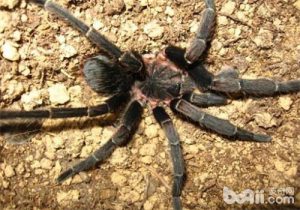
Costa Rican Zebra
The Costa Rican zebra tarantula is native to Mexico, Guatemala, and Costa Rica. Adults reach a leg span of 14–17 cm and are known for a gentle, easily tamed temperament.

Phormictopus cancerides
The Haitian brown tarantula (Phormictopus cancerides), also known as the Dominican blue tarantula, is native to the tropical rainforests of Haiti and Brazil. It is one of the classic pet tarantula species kept by enthusiasts.

Canine and Feline Lymphosarcoma
Lymphosarcoma is a malignant cancer of the lymph nodes and lymphoid tissue that affects both dogs and cats, most often dogs over four years of age. It presents in multicentric, alimentary, and thymic forms, each with distinct clinical signs. While incurable, prompt chemotherapy can extend life from a matter of weeks to 6–24 months.

Canine and Feline Spinal Cord Tumors
Spinal cord tumors in dogs and cats produce signs based on where they compress the cord, ranging from limb weakness to paralysis and loss of bladder control. German Shepherds and young to middle-aged dogs are commonly affected, with tumors often located between the 10th thoracic and 3rd lumbar vertebrae.

Canine and Feline Brain Tumors
Brain tumors in dogs and cats are most often meningeal or glial tumors that appear in middle-aged to older pets, with some breeds such as Boxers and Bulldogs overrepresented. They compress brain tissue and cause gradually worsening neurological signs including behavior changes, circling, head tilt, blindness, and seizures.

Canine and Feline Hemangioma and Hemangiosarcoma
Hemangiomas are slow-growing benign tumors of blood vessels, while hemangiosarcomas are aggressive malignant vascular tumors that often spread before signs appear. Common sites include the skin, spleen, liver, heart, and bone, with large breeds such as Great Danes, Boxers, and German Shepherds overrepresented.
Can Povidone-Iodine Cure Cat Ringworm?
Povidone-iodine has broad antimicrobial action but does not reliably kill the fungi that cause ringworm, so it is only a supportive measure. True antifungals, either topical or veterinary-directed oral azole medication for severe cases, remain the main treatment.

Canine and Feline Ovarian Tumors
Ovarian tumors are uncommon in dogs and cats and usually arise as a primary growth, most often a granulosa cell tumor in older females. Hormone-secreting types cause persistent estrus, while others simply enlarge the abdomen; surgery is typically curative.