Search Results
5279 results for “Can f 5”
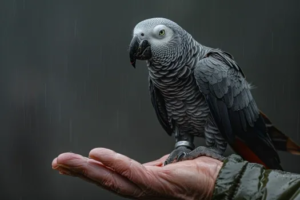
Pacific Parrot: Traits and Care
The Pacific parrot (or Pacific parakeet) is among the smallest parrots, only about 12 cm long and 30 g, earning the nickname "pocket parrot." Mostly green or blue, it is gentle, cute, and not very destructive, and can even learn a few words. In the wild it flocks and eats seeds, berries, and fruit; in captivity it needs a small cage, mixed seed or pelleted food, baths, and sunlight. Breeding runs January to May with four to six eggs.

CoQ10 for Dogs: Is It Worth the Hype?
CoQ10, or ubiquinone, is a fat-soluble compound that powers the heart and other high-demand organs through mitochondrial energy metabolism. Far from a gimmick, veterinary studies show it can improve heart function in dogs with mitral valve disease and congestive heart failure. This guide explains what CoQ10 does, why it is not a scam, which dogs benefit most, and how to supplement safely—including the drugs it must not be mixed with. It supports care but never replaces prescription heart medication.

Red-Eared Slider Shedding but Not Eating: What to Do
A red-eared slider that sheds but stops eating may simply be reacting to the molt, or it may signal a problem with temperature, water quality, or health. First check that the habitat is right, then adjust water temperature and change water regularly. Offer varied foods like fish, lean pork, shrimp, and snails to tempt appetite, and use a dangled-food trick if it will not bite. If the fast drags on or other symptoms appear, consult a veterinarian.

How Cats Recognize Their Owners
Cats identify their person through several senses at once. Their vision is poor and near-sighted, so they rely more on motion than on faces. A keen sense of smell lets them remember your scent, and sharp hearing picks out your unique voice. Sensitive paw pads register the vibration of your footsteps, and memory of your habits and gestures seals the recognition. Building the bond takes daily feeding, play, and reward-based correction rather than punishment.
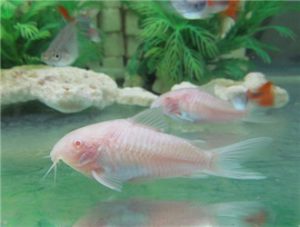
White Corydoras
The White Corydoras is native to South American waters and is now mostly captive-bred. An albino form of the Bronze Cory, it has a milky white body with clear red eyes, is gentle, and is kept in schools. Egg-laying and good with small fish, it suits planted tanks as a bottom fish.
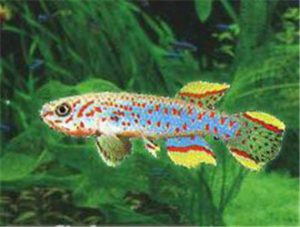
Aegean Killifish
The Aegean Killifish (Aphyosemion celiae) is native to West Africa and shaped like the harp killifish, 6-7 cm long. It likes weakly acidic water and higher temperature (optimal 24-28 C), eats live foods like bloodworms and artemia, and is hardy and easy to keep.
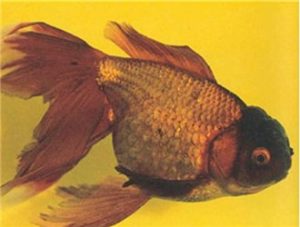
Brown Oranda with Curled Opercula
In goldfish, curled opercula is usually a disease sign, but the Brown Oranda with Curled Opercula has gill covers that grow everted from inside out like a wound - a hereditary variation.
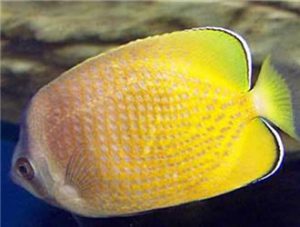
Sunburst Butterflyfish
The Sunburst Butterflyfish (Chaetodon kleinii) is pale tea-colored in front and dark yellow behind. Though not vivid at depth, it is liked by some aquarists and can mix with other butterflies, including its own kind, if added together.
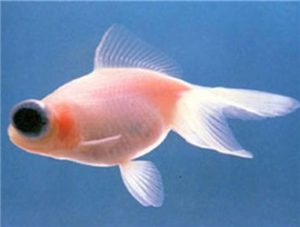
Cinnabar-eye Big Butterfly-tail Goldfish
The Cinnabar-eye Big Butterfly-tail Goldfish is a goldfish variety with a pure white belly and only cinnabar-red eyes, very striking. Gentle, it is beloved by hobbyists.
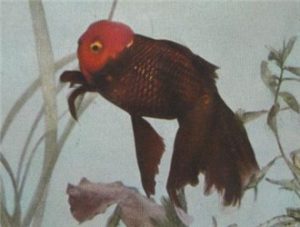
Brown Oranda with Red Head
The Brown Oranda with Red Head is a goldfish variety, a rather precious one of the Wen-jin group. Because it resembles the Purple Oranda, care is needed when buying to tell them apart.