Search Results
5279 results for “Can f 5”

Cat CoQ10 Buyer’s Guide: Reading Labels and Avoiding the Pitfalls
Roughly 15% of cats develop some form of heart disease, with seniors, flat-faced breeds, Ragdolls, and overweight or inactive cats at higher risk. CoQ10 supports cellular energy in heart muscle, but natural production drops as cats age. When choosing a supplement, the smart move is to read the label and judge the formula—not the marketing. This guide breaks down what to look for and the common traps to avoid.
How to tell male from female axolotl
Only reliable after 3 months; by 5-6 months it's clear. Males have two obvious bumps between the hind legs; females are flat. Males are slimmer.
The ten downsides of owning a German Shepherd
Intimidating looks, city bans, high exercise needs, scavenging, short lifespan, heavy shedding, strong odor, drooling, hereditary issues, and possible aggression if untrained.
How to set up and cycle a new fish tank?
Disinfect with potassium permanganate or salt, rinse, fill with dechlorinated water, aerate 2+ days, add nitrifying bacteria, filter 3+ days, then test with hardy fish.
What medicine for white fuzz on koi?
It's saprolegniasis (water mold). Isolate the fish, treat wounds with iodine, and dip in potassium permanganate ~5 minutes.

Dog CoQ10 Safety: Five Principles and Who Needs It
After a dog turns 7, its own CoQ10 synthesis drops, heart function slips, and you may see frequent panting, low spirits, or night coughing — which is why a pet-specific CoQ10 has become a household staple. But because it goes in the body daily, safety is the bottom line: a wrong choice wastes money or burdens the liver and kidneys. This guide sets out five safety principles and the dogs who actually benefit.

Dog CoQ10: Test Data Beats the Hype
CoQ10 is a supplement, not a drug — it fuels the heart, fights oxidation, and slows myocardial aging, but it cannot replace medication for heart disease. For an 8-year-old dog that pants on walks and coughs at night, the first step is a vet, not a bottle. There is no single 'most reliable' brand, but a few practical checks separate a working product from an expensive guess. This guide lays them out.

CoQ10 Transparency: Why ‘Stated and Tested’ Matters
CoQ10 is one of the fastest-growing pet supplements, yet a large share of what is sold may be placeholder. In some regions CoQ10 is not an approved pet-feed ingredient, so labels cannot state it — and many brands hide behind organ-meat or fish powders while promising 'high content' with no amount shown. Industry data suggests over 60% of products are mislabeled, and a 2025 blogger lab test found two of four best-sellers had no detectable CoQ10 at all. This guide explains why a stated, tested product is the only one worth buying.
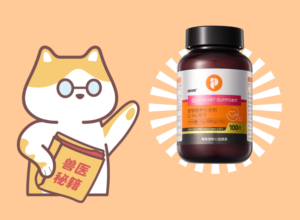
Dog CoQ10 for Seniors and Small Breeds: A Value-Minded Guide
If your dog tires after a few steps, pants often, sleeps longer, or coughs at night, that is not laziness — it is the heart asking for help. Canine heart-disease risk climbs steeply with age (about 10% at 5–8 years, 30% at 8–10, and 45% past 13), which is why CoQ10 is a staple for senior and small-breed care. This guide explains how to judge real value instead of falling for 'cheap' placebos or overpriced imports.

Safe Dog CoQ10: What the Research and Labels Tell You
CoQ10 appears in veterinary cardiac plans for mitral valve disease, dilated cardiomyopathy, and senior heart decline, and the research behind it is real — not a fad. A 2021 study found dogs with mitral valve disease in heart failure had significantly less heart-muscle CoQ10 than healthy dogs, and a 2022 randomized trial showed supplementation improved oxidative-stress and contraction markers with no adverse effects. The catch is that the benefit only appears when the product is safe, dog-appropriate, and correctly dosed. This guide explains how to read the label and the form.