Search Results
5279 results for “Can f 5”
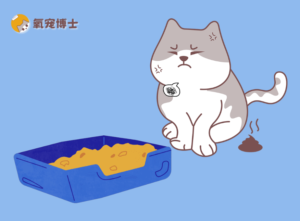
Why Won’t My Cat Use the Litter Box?
A cat that suddenly stops using the litter box is sending a signal, not being spiteful. The cause is usually the box itself—dirty, cramped, noisy, the wrong litter, or too few boxes in a multi-cat home—or a health issue like constipation, diarrhea, or joint pain. Stress from changes at home is the third big driver. Fix the box and environment first; see a vet if pain or abnormal stool is involved.

The Samoyed: A ‘Smiling Angel’—but Think Twice Before You Commit
The Samoyed's famous 'smile' is real, and so is its friendliness, trainability, and adaptability. But this breed sheds heavily, needs daily exercise, has a sensitive stomach, and shows its share of health issues—tear stains, dermatitis, heatstroke, obesity, and hip dysplasia. Before you fall for the looks, weigh the work it takes to keep one happy and healthy.

How Long Does a Cat Stay in Heat? A Complete Guide
A queen in heat usually cycles for 3–6 days, while a male stays reactive for 7–10 days, often triggered by nearby females. Cats are seasonal, repeat breeders driven by daylight, peaking in spring and autumn. If a cat stays in heat beyond three weeks with abnormal discharge, it may signal cysts or infection—time for a vet visit. Spaying remains the most reliable fix.

How to Ease Acid Reflux in Dogs
If your dog dry-heaves after meals or brings up white foam or yellow fluid with foul breath, it may not be simple stomach upset—it could be acid reflux, or GERD. The stomach's lower valve relaxes and lets acid creep up the esophagus, which can inflame and even ulcerate over time. Diet changes, vet-guided medication, and a few lifestyle tweaks usually bring real relief.

Kitten Vomited After Overeating—What to Do
A kitten's stomach is small, so eating too much or too fast easily triggers vomiting. Start by resting the gut with a short fast—1–2 hours (never long for under-three-month kittens, who risk low blood sugar)—then offer tiny amounts of water and easily digested food, building back up over a day or two. Tell simple overeating from illness by the cat's spirit, and head to a vet for frequent, bloody, or weakness-causing vomiting.
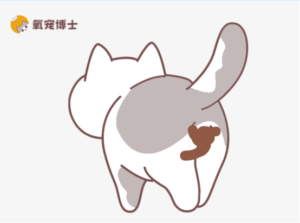
Kitten Always Has Poop Stuck on Its Fur?
Poop clinging to a kitten's rear fur almost always traces back to soft stool or diarrhea. The loose stool can come from diet, food allergy, parasites, flora imbalance, or underlying disease, while body shape, long hair, flat faces, and very young or old age make self-cleaning hard. Soften and wipe gently, then fix the root by firming the stool—and see a vet if soft stool persists.

Should Cats Eat One Food or Rotate?
Feeding one food keeps a cat's gut stable and makes health changes easy to spot, but it risks nutrient gaps, pickiness that fights later prescription diets, and silent formula changes. Rotating broadens nutrition and spreads product-risk, yet sudden or too-frequent switches upset the stomach. The balanced answer is to rotate on a schedule, with a slow 7–10 day transition and a few months on each food.

What Makes a Person a Dog Magnet?
Some people seem to attract dogs without trying. They tend to be clean and unscented, calm and emotionally steady, and gentle with small, slow movements. Dogs read human micro-expressions, tone, and even heart rate, so an excitable, loud approach reads as threatening while a relaxed one builds trust. Add respect for the dog's boundaries and genuine affection, and dogs are drawn in.

Thinking of a Golden Retriever? Know This First
The Golden Retriever is smart, gentle, and friendly, and with training can work as a guide or search dog. But it sheds heavily, drools, has a strong odor, eats a lot, and needs at least 1–2 hours of exercise daily or it turns anxious and destructive. It's also prone to hip dysplasia, obesity, ear infections, and eye disease. Know the real commitment before you bring one home.

Does a Boarded Cat Feel Abandoned?
Cats don't grasp the abstract idea of being 'abandoned,' but they do form a secure attachment through daily life with you. Away from familiar smells, routine, and you, they can lose their sense of safety and stress out. Not every cat reacts this way—outgoing, well-socialized ones may settle in a day or three. Familiar items and a slow reintroduction at home make boarding far easier on them.