Search Results
5279 results for “Can f 5”

What to Do When Your Cat Has a Fever
Cats get fevers just like people, but a cat's fever is rarely simple - it can signal parasites, stress, bacterial infection, panleukopenia (feline distemper), feline herpesvirus, or various inflammations. A fever is not a small matter: left alone it can damage organs and even turn deadly. Telltale signs include hot ears and tail tip, a dry nose, sweaty paw pads, and a cat that suddenly prefers cool floors and dark corners while eating less and looking limp. Normal cat temperature runs 38-39C (about 39.3C in kittens); above 39.5C is a fever and above 40C is high. For a mild fever or when a clinic is out of reach, cool the paws and belly with alcohol and offer water, but never give human fever medicine, which can be fatal - see a vet for high fevers.
Pet CoQ10 Supplements Reviewed: Picking One That Genuinely Supports Heart Health
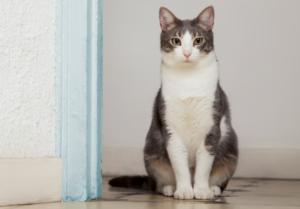
CoQ10 is a popular supplement for pets with heart conditions, but it supports heart function rather than curing disease. It helps the heart muscle generate energy, mildly slows heart failure, and supports immunity and vitality. Yet the market is full of weak or mislabeled products—industry figures suggest most pet CoQ10 labels either understate or omit the actual content, and some use industrial-grade raw materials. When choosing a supplement, look for verified CoQ10 content (ideally backed by independent testing), natural fermentation sources, and a clean antioxidant formula, matched to your pet's age, breed risk, and symptoms. Used alongside veterinary treatment, a quality CoQ10 can be a valuable part of heart care.

How to Earn Your Hamster’s Trust?
Building a close bond with your hamster starts with earning its trust. New hamsters are easily frightened by unfamiliar surroundings and can become stressed, so give them time to settle in before handling. Win trust by placing the cage in a quiet, low-traffic room, letting the hamster adjust for a few days, approaching slowly and speaking softly, hand-feeding treats to build positive associations, and gradually increasing gentle contact. Never startle or force a hamster to interact—respect its pace and personality. With patience and consistency, your hamster will learn to see you as safe and form a lasting, affectionate bond.

Do Cats Bully Each Other?
Bullying does occur among cats, yet owners often overlook it—especially in multi-cat homes. Cats are territorial animals that establish a social hierarchy, so competition over food, water, litter boxes, space, or a newcomer's arrival can trigger one cat to intimidate another. Typical bullying includes chasing, pouncing, biting, resource guarding, and social exclusion, while victims may over-groom, hide, lose appetite, or grow aggressive. Left unchecked, chronic stress harms the targeted cat's health and the household's harmony. The good news is that owners can prevent and reduce conflict by providing ample resources, introducing new cats gradually, intervening calmly when fights start, and avoiding favoritism. This guide explains why cats bully, how to spot both the behavior and its victims, and practical steps to restore peace.

Which Turtles Prefer Shallow Water?
Common shallow-water turtles include the golden coin turtle, yellow-margined box turtle, yellow-breasted turtle, Amboina box turtle, golden-headed box turtle, Asian giant turtle, spiny hill turtle, red-eared slider, and Chinese pond turtle. These are semi-aquatic species that cannot live in deep water and must not stay away from it too long. They inhabit wetlands, ponds, streams, and lakes close to water. In captivity, keep the water level at about 1.5 times the turtle's height to prevent drowning, and provide a basking platform for resting and sunning.
Which Turtles Are Best for Beginners?
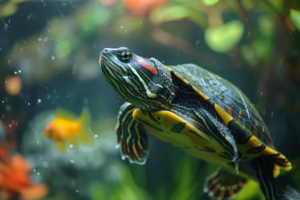
Good starter turtles include the Chinese pond turtle, red-eared slider, musk mud turtle, hybrid flower-pond turtle, and common snapping turtle. These species are inexpensive, adaptable, and resilient, so beginners can practice with them. Many new keepers start with the Chinese pond turtle or red-eared slider. As long as basic mistakes are avoided and the turtles are cared for attentively, they can thrive. The most important management tasks are clean water, stable warm temperatures, and a proper basking area to reduce illness.

What Is Kennel Cough in Dogs
Kennel cough, or infectious tracheobronchitis, is a highly contagious respiratory infection spread by many pathogens at once. It hits dogs of any age but is hardest on puppies, and it flares in cold, crowded, damp conditions. The classic sign is a harsh, dry, honking cough, and while most cases clear on their own, knowing when to treat matters.

What to Do If Your Turtle Eats Only Meat and Rejects Pellets
A turtle that refuses pellets for meat usually has a taste preference or a digestion issue, but long-term meat eating risks gut inflammation, pickiness, malnutrition, and fatty liver. First check that the pellets are fresh and clean, or try a different brand, shape, or flavor—always soak pellets in water so the turtle can swallow. You can also change the routine: more swimming time and sunlight boost appetite. The firm fix is 'starvation training'—offer only pellets, no meat, until hunger wins. If nothing works, or you're unsure the turtle needs food, consult a veterinarian for a tailored plan.

Why Does Your Hamster Have Soft Stools?
Hamster soft stools can stem from diet, infection, water, or stress. A fragile digestive system reacts badly to too much fruit or vegetable, moldy food, or unbalanced feed; bacteria or viruses can inflame the gut; poor or scarce water upsets it; and heat, environmental change, or fright lowers immunity. If you see soft stools, cut back on produce, check the water source, switch to a balanced diet with more protein and fat, keep the cage clean, and consider probiotics or medication for serious cases. If stools come with poor appetite or low energy, see a veterinarian promptly.
How to Tell If Your Cat Is Dehydrated
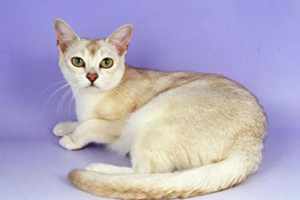
An adult cat needs about 150 ml of water a day, but cats dislike drinking, so many drift into chronic dehydration and later urinary trouble. Two home checks: stool - if it comes out in hard, dry pellets the cat is already short on water (the body pulls moisture from waste); and urine clumps - an adult's clump should be about a third of a palm, once or twice a day, so a ping-pong-sized clump is a red flag. Remember, you judge by what goes out, not what goes in. Fix it with a fountain cats prefer and wet food or rehydrated freeze-dried meals.