Search Results
5279 results for “Can f 5”

Heat Alert: What to Do When Hot Pavement Burns Your Dog’s Paws
When it's over 30 C, asphalt can exceed 60 C, and dark surfaces can hit 70 C by early afternoon, so paw-pad burns are a top summer injury. A dog's pads sense heat with a delay and may keep walking despite pain, so the owner must judge safety: press the ground with your hand for 7 seconds, if it hurts you it burns them. Signs include limping, red swollen pads, blisters, constant licking, and yelping. First aid: move off the heat, rinse the pad with cool running water 15 minutes, flush with saline, dab with povidone-iodine (never alcohol), apply a pet burn ointment, loosely bandage, and use a cone. Severe cases with open wounds, bleeding, or black scabs need a vet. Walk before 7 a.m. or after 8 p.m. on grass.

Dry or Wet Cat Food: Which Is Better? (Most Owners Pick Wrong)
Neither dry nor wet food is absolutely better; it depends on the cat. A healthy adult can follow a "dry in the morning, wet in the evening" rule, meeting nutrition and water needs while avoiding spoilage. Special cases, senior cats with poor teeth, 2-3 month kittens, and cats with urinary disease, should lean toward wet food. The catch: long-term wet feeding needs extra dental care. Dry food is convenient, cheap, and helps scrape teeth but is only ~5% moisture and calorie-dense, raising dehydration and obesity risk. Wet food is 70-80% moisture, tastier, and nutrient-rich but costs more, spoils fast, and leaves more residue on teeth.

Bringing Home a 2–6 Month Old Puppy or Kitten: A Complete Care Checklist
A new 2–6 month old puppy or kitten is fragile, and mistakes in the first weeks—too much handling, wrong food, missed vaccines—can cause stress, illness, or worse. Start by letting the pet settle alone for 1–2 hours before gentle interaction; keep the same food it had before (soak kibble if needed) and feed 3–4 small meals a day. Watch the first week closely, since transport can expose them to panleukopenia, cat flu, distemper, or parvovirus on top of stress. The vaccine and deworm timeline matters: deworm first, wait at least 7 days, then vaccinate (dog multivalent from ~45 days, three shots 21 days apart, rabies at 3 months; cat FVRCP from 2 months, three shots 28 days apart, then rabies). Don’t bathe, delay outings until vaccinated, and never feed toxic people foods like grapes, chocolate, coffee, or avocado.

What to Do If Your Hamster Has a Fracture
If a hamster breaks a bone, place it in a quiet, warm, comfortable space to ease pain, and apply a wrapped ice pack to the injury for 15 to 20 minutes to reduce swelling. Because hamster bones are delicate, handling them at home can cause more damage, so see a veterinarian promptly. The vet will examine and X-ray the fracture, then use external fixation like a splint or internal fixation with plates or pins depending on severity.
CoQ10 for Pets: Why Adequate, Well-Absorbed Dosage Matters
Many owners dismiss pet CoQ10 as a gimmick, and with reason: an under-regulated market let weak products ship before they were ready, so finding a real, safe, high-potency supplement was hard. The science is sound, though. CoQ10 lives in the mitochondria, drives cellular energy, and neutralizes free radicals that damage the heart. Pets over about 5–7 years, obese animals, high-risk breeds, and those already diagnosed lose CoQ10 reserves fast, and diet alone barely replaces it—hence panting after a short walk, night coughs, or low energy. The key is adequate, well-absorbed dosage; micro-dosing is only comfort. This article explains who needs CoQ10, what “real” formulation looks like (transparent content, third-party testing, yeast-derived sourcing, combined heart–lung nutrients), and safe daily use.

Feeding Fruits and Vegetables to Rabbits: What to Know
Fruits and vegetables add useful nutrients and fiber to a rabbit's diet, but not all are safe, and too much causes diarrhea or obesity. Avoid onion, leek, garlic, and chives, herbs like basil and rosemary, and citrus, grapes and raisins, cherries, and persimmons. Hay should be the staple; treats of produce should be only 10-15% of the daily diet. Introduce new foods slowly, wash them well, remove pits, and clear away any leftovers so they do not spoil and upset the gut.

Early Signs of Heatstroke in Dogs—and How to Prevent It
Dog heatstroke progresses through early warning signs, moderate fever, and severe shock, and the early stage is the easiest to miss—and the easiest to treat. Watch for constant open-mouth breathing with the tongue out and rapid shallow breaths, lethargy and slow responses, seeking shade and refusing to walk, thick stringy drool with a dry hot nose, and reddened, warm paw pads. Move the dog to a cool, airy spot and offer water in small amounts at the first sign; untreated, it can become critical within minutes. This article also covers which dogs are most at risk and practical prevention, from walking at dawn or dusk to never leaving a dog in a parked car.

New Puppy Has Soft Stools or Diarrhea at Home? Don’t Panic
A puppy that develops soft stools or diarrhea within two days of arriving home is common and usually a stress reaction, sudden food change, or temperature swing, especially in weak pups from poor breeding sources. Their digestive systems are immature and easily upset. The right response: keep the environment calm and warm, stop switching foods, and feed only what the breeder used, in 4-5 small meals a day, or a bland congee of lean meat, chicken, or millet. A pet-specific live probiotic helps restore gut balance. If it persists, see a vet to rule out parasites or infections like parvovirus, which bring lethargy, vomiting, and fever.
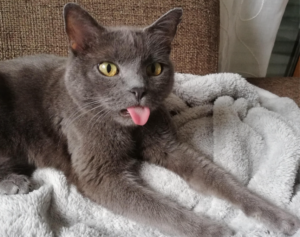
How to Stop Your Cat from Peeing on the Bed
Finding a yellow wet spot on the bed is every cat owner's nightmare. Before anything else, rule out disease: feline lower urinary tract disease (FLUTD) makes urination painful, so cats link the box with discomfort and seek softer spots like the bed. If peeing comes with straining, blood, or constant licking, see a vet. Non-medical causes are a disliked litter box (bad location, poor hygiene, wrong litter, too few boxes in multi-cat homes) and stress or anxiety. Fixes: upgrade the box, scoop twice daily, follow the n+1 rule, ease anxiety with play and pheromone spray, and remove the urine scent with an enzymatic cleaner plus detergent. Most cats return to normal in 2-3 weeks.

The Dangers of Obesity in Hamsters
Obesity seriously harms a hamster's health. It raises the risk of diabetes, high blood pressure, and heart disease, and can trigger fatty liver, joint problems, and breathing trouble. Extra weight lowers overall vitality, dulls appetite and digestion, and can spoil sleep quality, which then affects physical and mental wellbeing. Prevent it with a varied, balanced diet, controlled portions, and enough space plus a wheel and toys for regular exercise. Knowing breed weight standards helps you spot and reverse excess weight early.