Search Results
5279 results for “Can f 5”

Do Budgerigars Tolerate Cold Weather
Budgerigars are sensitive to cold and cannot survive below 5 C, so keep the room above that in winter. Move the cage indoors and, if needed, use an incandescent lamp or heater. Feeding more oil-rich seeds like peanuts and sunflower helps them build fat reserves. Lower the bath frequency in cold weather, bathe only in warm water, and if a bird catches a chill, keep it warm and use an antibiotic as directed. Good hygiene supports recovery.

Lionhead Rabbit: Appearance and How to Choose One
The Lionhead rabbit is small but round, with a plump body and a distinctive mane of long fur around the neck that forms a V shape like a tiny lion. Picking a healthy individual is the key to successful keeping. Avoid unweaned or very young rabbits, which are fragile and harder to raise; beginners should choose one over two months old. Knowing the breed's looks and common ailments helps you select a vigorous pet and care for it well.
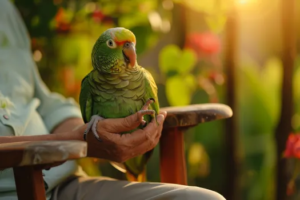
Scarlet Macaw: Traits and Natural Behavior
The scarlet macaw is among the most vividly colored parrots, with a body dominated by brilliant red and accented by yellow, white, and deep blue across the wings and tail. A large, strong black beak easily cracks hard nuts and fruit. These birds live in subtropical and tropical forests, roost high in big trees, and are highly social, gathering in flocks that can top thirty individuals. Understanding their size, diet, lifespan, and breeding needs is essential before taking one home.

Why Do Cats Have Difficult Labor?
Dystocia in cats has many causes: existing health problems or illness during pregnancy, overly large kittens, abnormal positioning, or stress during delivery all raise the risk. Before birth, take steps such as a prenatal check to lower the risk and protect mother and kittens.

How to Treat Hair Loss Behind a Hamster’s Ears
Hair loss behind a hamster's ears can come from allergies, bacterial infection, or parasites. Trim the fur around the spot, rinse it with saline, pat dry, and apply a small-pet skin cream or antibiotic ointment, watching for 3 to 5 days. If it does not improve, see a vet. Keep the cage clean and disinfect it often, and add vitamins and protein to aid recovery.

Boiled Meat, Raw Food, or Kibble: Feeding Your Cat or Dog Wisely
Many owners cook plain boiled meat for their pets, thinking it is cheaper or safer than commercial food. But domestication has shifted companion cats and dogs away from strict carnivores, and feeding only boiled meat long term risks calcium-phosphorus imbalance and kidney strain. This guide explains how to balance a home-cooked diet for dogs and cats, why boiled meat beats raw for most homes, and how commercial kibble fits in. The takeaway: boiled meat is fine, but only when fed as part of a balanced, well-planned diet.

Caring for Senior Cats and Dogs: A Stage-by-Stage Longevity Plan
Cats and dogs are considered senior at around age 7, when metabolism slows and organ function begins to decline. With staged, careful care, companion pets can live an average of 2–3 years longer. This guide breaks senior care into three phases—ages 7–9, 10–12, and 13 and up—covering diet adjustments, weight control, dental and joint support, stress avoidance, and a sensible checkup schedule. The goal is not expensive supplements but steady, calm, well-planned daily care.
Cat and Dog Tear Stains: Understanding the Causes and Managing Them at Home
Tear stains are a common frustration for owners of flat-faced breeds and many other cats and dogs. They are rarely a single mystery illness; instead they usually trace back to blocked tear ducts, ear problems, allergies, or diet. The right fix depends entirely on the underlying cause. This guide walks through the main reasons pets develop reddish-brown staining, what each pattern looks like, and the at-home steps—gentle cleaning, ear checks, allergy control, and diet tweaks—that keep stains from returning. Knowing the cause is the first step to clearer, healthier eyes.

Why Human Cold Medicine Is Dangerous for Pets
Because cats and dogs metabolize drugs differently from people, they may not process ingredients like acetaminophen, pseudoephedrine, and caffeine, and even small amounts can poison them, sometimes fatally. Most over-the-counter human cold medicines are unsafe for pets. For mild cases when pet-specific medicine is unavailable, gentle herbal options exist, but vet care is best for serious symptoms.

Summer Dog-Walking Survival Guide (With Heatstroke First Aid)
Dogs have almost no sweat glands and cool mainly by panting, so above 28 C their cooling efficiency drops below a fifth of ours, and asphalt can hit 57 C while a dog's belly, only 20-30 cm off the ground, breathes air 5-8 C hotter. That makes summer walks risky. Walk before 7 a.m. or after 8 p.m. in shaded parks or grass, carry a folding bottle and offer water every 15 minutes, and cap time by breed, short-nosed dogs under 15 minutes in shade, sport breeds rest 5 minutes per 10 of exercise, small dogs under 10 minutes several times a day. Heatstroke can reach organ failure in 30 minutes; early signs are heavy panting, dark purple tongue, thick drool, then staggering and vomiting above 40 C, and seizures or coma with up to 80% death if untreated. First aid: move to shade, wipe groin/armpits/neck with room-temp water, give small sips if awake, keep head low, and rush to a vet.