Search Results
5279 results for “Can f 5”
Do West Highland White Terriers Bark a Lot? Yes — Here’s Why
West Highland White Terriers are vocal dogs. Bred as terriers in Scotland to hunt small rodents, they were selected to alert their handlers with barks, and that instinct remains strong. Westies bark out of alertness, pent-up energy, attention-seeking, seasonal restlessness, or as a sign of pain. The good news is that barking is manageable: daily exercise, a "quiet gets rewarded" system, desensitization to common noises, early socialization, and ruling out health issues all make a big difference. A sudden change in barking paired with other symptoms can signal discomfort and warrants a vet visit.
What to Do When You Bring Home a Found Kitten
Finding a stray kitten is tempting to take home right away, but the right sequence protects both the kitten and your household. Because strays can carry parasites, panleukopenia, or ringworm—some transmissible to other pets and people—the first step is a veterinary check-up before the kitten enters your home; treat any illness in the clinic first if needed. At home, set up a quiet, enclosed room with a litter box, water, and food so the kitten feels safe, and avoid bathing it, which can trigger stress and illness. Ease the diet in with plain food and probiotics rather than rich treats. If you have resident cats, isolate the newcomer for 7–15 days, then slowly mix scents before supervised meetings. Finally, deworm and vaccinate (FVRCP and rabies) after a short settling period.

What Water Temperature Is Best for Snapping Turtles?
Snapping turtles tolerate water from 3 to 45 degrees Celsius, but thrive best between 20 and 30 degrees. Below 18 degrees they stop eating, and below 15 degrees they enter hibernation. Above 30 degrees they may become overactive and suffer dysfunction, with signs like poor appetite and breathing difficulty. Keep the water within a comfortable range and change it regularly, replacing about one quarter to one third each time, to keep quality and temperature stable and support healthy growth.

How Much Feed Does a Guinea Pig Need Per Day?
A guinea pig needs about 5–7% of its body weight in food daily—so a typical 300 g guinea pig eats roughly 15–21 g. Adjust for activity, age, and health, since youngsters need more for growth. Base the diet on dry foods—hay and pellets—because too much moisture causes diarrhea; add small amounts of guinea-pig-safe vegetables and fruit for vitamins, and a vitamin C supplement, since they can't make their own. Variety and freshness keep the diet balanced and the pet thriving.
Bear-Type vs. Wolf-Type Samoyed: What’s the Difference?
Samoyeds come in two popular looks: the bear-type (often called the "Australian line") and the wolf-type (the "Russian/Siberian line"). Bear-type dogs are stocky and round, standing about 53-58 cm at the shoulder and weighing 25-30 kg, with a broad, short muzzle and an extremely fluffy double coat. Wolf-type dogs are leaner and more athletic, roughly 3-5 kg lighter, with a longer, narrower muzzle, almond eyes set close together, and a sleeker, coarser coat. Temperament differences are minor and mostly shaped by socialization rather than bloodline. The most important factor when choosing a pet is matching the dog's needs to your lifestyle, not which "version" you prefer.
Smells Cats Hate Most (and Why They Matter)
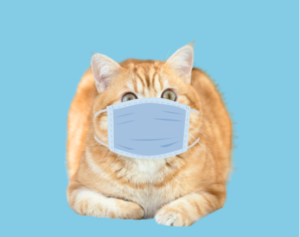
A cat's nose is far sharper than ours, so scents we find fresh can be 'chemical weapons' to them. Most cats hate high-menthol products (white flower oil, cooling balms), citrus peels (limonene and linalool irritate their scent nerves and the plants are mildly toxic), and perfumes. They also reject other cats' smells—a stranger's scent can trigger defensive puffing and hissing. Alliums, camphor products, and vinegar round out the list, while secondhand smoke's 7,000-plus chemicals threaten a small cat's lungs far more than a human's. Keep these away from your cat.
100 Essential Tips Every New Cat Owner Should Know
Bringing home a first kitten is exciting but daunting, and poor care can hurt both of you. These 100 essentials cover diet (life-stage food, toxic grapes/chocolate/onion/garlic, no bones or raw meat, fresh water), daily care (brushing, nail and ear cleaning, litter hygiene, n+1 boxes), health (vaccines at 8–12 weeks, deworming, normal temperature 38–39.2°C, spay/neuter, no human meds), behavior (slow blinks, tail talk, no punishment), and home safety (screens, hiding wires, toxic plants, no smoke). Read them once and you'll share a calmer, healthier life with your cat.
How to Keep Your Cat from Getting ‘Air-Conditioner Sickness’
Cats can suffer 'air-conditioner sickness'—discomfort from low temperature, dry air, poor ventilation, and big temperature swings—showing as sneezing, runny nose, loose stools, or even respiratory infection. To prevent it, keep the AC at 26–28°C and avoid direct drafts, hold indoor humidity at 50–60%, and warm weak cats with a soft bed off cold floors. Clean the filter every 2–3 weeks, ventilate daily, watch the cat's condition, and add 20–30 minutes of play. At the first mild signs, turn the AC off and offer warm water; see a vet if it worsens.
Does Your Dog Really Need Monthly Deworming? (Avoid One-Size-Fits-All)
Deworming frequency should follow the dog's age, health, and lifestyle, not a rigid monthly rule—dewormers are broken down by the liver and kidneys, and overuse burdens the body. Puppies start at 45 days and go monthly until 6 months; after that, internal deworming drops to every 3 months while external stays monthly. The schedule is flexible: a mostly-indoor dog in the cold season, when fleas and ticks breed less, can be treated less often, and a sick, pregnant, or senior dog may need a pause or lower frequency. Match the plan to real risk.

How Accurate Are Dog Parvo Test Kits?
Canine parvovirus test kits are generally 80-90% accurate, but results depend on timing of infection, viral load, brand, and technique. In early infection or with low viral load they can show false negatives, and poor storage or handling causes errors, so clinics use them only for initial screening. To confirm parvo, veterinarians combine the kit with PCR, serology, pathology, and clinical signs such as vomiting, diarrhea with blood, fever, and lethargy. Proper use involves collecting a swab sample, applying it to the strip, waiting a few minutes, and reading the result against the instructions.