Search Results
5283 results for “Can f 5”
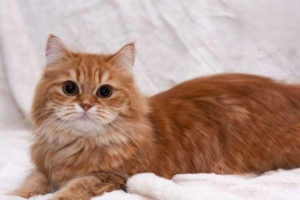
Why Does My Cat Twitch in Its Sleep?
Most sleep twitching is just dreaming and harmless, but constant twitching can mean cold, parasites, or muscle spasm. Read the pattern before you act, and wake the cat if it goes on.

Secrets to Coloring Your Arowana
Arowana color comes from four things working together: diet (carotenoid-rich foods carried via feeder insects), lighting (a dark background plus side lighting), stable water, and temperament (confident fish color best, so avoid mixed stocking). Consistency over time is what makes the difference.
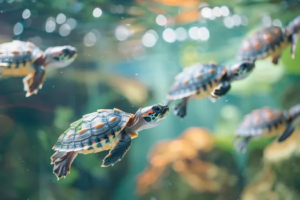
Will a Swollen Turtle Eye Heal on Its Own?
A turtle's swollen eye will not heal by itself—it is usually caused by poor water quality, fighting, or vitamin A deficiency (in tortoises). Fix the water, apply erythromycin or chlortetracycline eye ointment, separate fighters, and add vitamin A to the diet; see a vet if it does not improve.

What to Do When Your Cat Has Pica
Pica in cats—eating non-food items like plastic or plants—often stems from poor digestion, a lack of trace minerals, illness, or plain curiosity. Manage the environment, balance the diet with vitamins and minerals, and spend more time playing with and monitoring your cat; see a vet if other illness signs appear.
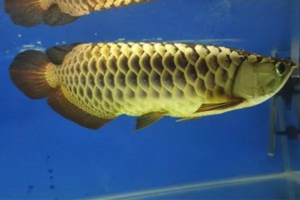
Why Does a Golden Arowana Jump Out of the Tank?
Why does a golden arowana jump? Causes: dirty water, high level, fright, hunting insects. Our team explains the causes and solutions.

Why Do Blood Parrot Cichlids Always Stay in the Corner?
Parrot cichlids staying in a corner may be from water/temperature, low oxygen, or just arriving home and not adapting. Our team explains the causes and solutions.
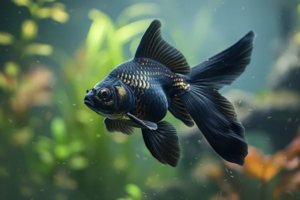
Common Reasons an Arowana Stops Eating
An arowana may refuse food because it is stressed by a new environment, the water has gone bad, the diet is too monotonous, it has a cold, it has internal parasites, or it has enteritis. Pinpoint the exact cause—stable water, a short fast, then targeted treatment—before resuming feeding.
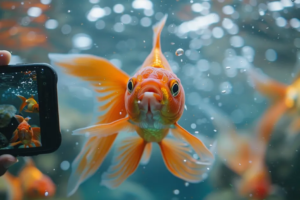
How Arowana Coloration Works
An arowana's vivid color comes from pigment cells in its skin, shaped by light, environment, mood, and hormones. Early coloration is driven mainly by the environment—especially lighting that reaches into the water—while hormones matter more as the fish matures and during breeding. Use white light when young and add red light later to deepen and widen color; golden arowana mainly need white light plus a warm-yellow light once mature.

Symptoms and Treatment of Indigestion in Dogs
Dog indigestion usually comes from improper feeding. Signs include vomiting and diarrhea, abdominal pain with dehydration, and—if gastroenteritis is the cause—a fever. Treat with a 12-hour fast plus pet probiotics, feed on a regular schedule in small meals, and see a vet if it has not improved in 2–3 days.
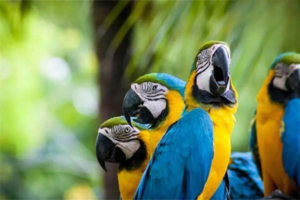
What to Do About a Parrot’s Poor Digestion?
Parrot illness is inevitable, and gut disease is common, so learning to handle it is worthwhile. Our team introduces treatment for parrot digestive issues.