Search Results
5283 results for “Can f 5”

Favorable Conditions for Arowana Coloration
Good arowana color rests on five pillars: a pure bloodline, stable and clean water, a dark yet well-lit tank with combined top and side lighting, varied and nutritious feeding, and a balance of slow and fast growth. Patience is essential, because coloration is a long, gradual process.

The Dangers of a Double Row of Teeth in Dogs
A double row of teeth, like buck teeth, comes from low calcium during teething that stops baby teeth from falling out. It traps food and bacteria, causing bad breath, tartar, stomatitis, and gut trouble, so vets usually recommend extraction.
How to Keep a Parrot Fish at Its Reddest
To keep a parrot fish vivid red: varied pigmented feed, low density, warm slightly acidic water, 2-3 hours of light, and a dark tank background.

How to Fix Bad Breath in Cats
Cat bad breath usually points to an oral problem such as ulcers, periodontal disease, or poor diet. Brush regularly, switch to bland soft food, add vitamin B and dental chews, and check for drooling, dirty teeth, vomiting, or twitching to find the cause.

Why Arowana Lose Color and the Risks of Forcing Quick Coloration
Arowana can fade because of heat, poor water quality, or long-term pigment feeds, and some fading is permanent. Many keepers chase rapid, vivid color, but the tricks used—restricted feeding, lower temperature, lower pH, reduced water flow—stunt the fish's growth and rob it of its natural stature. Balanced development matters more than looks.
Signs That Your Lovebird Is in Breeding Condition
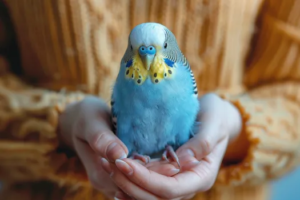
Lovebirds breed too, so hormonal behavior is normal and not a worry. It is triggered by long light, rich food, rough petting, or nest-like spots, and shows as grumpiness, hip-swaying, regurgitating food, and mating calls.

Why Cats Don’t Drink and How to Help
Cats evolved to feel little thirst, but low intake risks urinary disease. Use broths, a fountain, wet food, and flavored water to get them drinking.

Why Won’t My Parrot Eat?
A parrot may refuse food for many reasons - illness, fright, a full belly, poor digestion, a sudden diet change, loneliness, or weaning. Read the signs before giving any medicine, since the wrong drug can do more harm.
Why Is Your Cat Suddenly Peeing or Pooping Outside the Litter Box?
A cat that suddenly stops using the litter box is sending a signal, about a dirty or poorly placed box, new litter it dislikes, hormones, a health problem, or jealousy of a new pet. Rule out pain or illness first, since urinary issues need a vet.

Why Do Dogs Tilt Their Heads?
A dog's head tilt is usually a sign of focused attention—it helps them see your face past their muzzle, pinpoints the direction of a sound with their keen hearing, or simply earns a rewarding response from you. In most cases it is normal, harmless behavior rather than a cause for concern.