Search Results
234 results for “Breeding control”
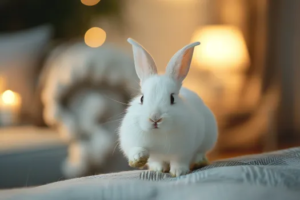
Occurrence Patterns of Rabbit Infectious Rhinitis
Infectious rhinitis in rabbits follows clear, predictable patterns. Incidence rises with higher stocking density, certain cage arrangements, the rearing method, the rabbit's breed and age, and seasonal temperature swings. Understanding these patterns helps breeders reduce outbreaks through better housing and management.
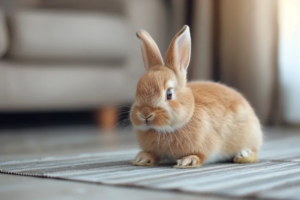
Treatment and Prevention of Infectious Rhinitis in Rabbits
Infectious rhinitis in rabbits is hard to eradicate and easily relapses, so prevention matters most: low density, good ventilation, clean hutches, steady warmth and the Pasteurella vaccine. For outbreaks, florfenicol, tilmicosin or tylosin now work better than the overused penicillin–streptomycin combo.
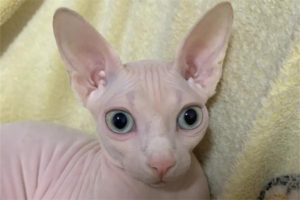
Why Do Cats Get Skin Cancer?
Feline skin cancer is mainly linked to UV exposure, genetics, and environmental pollution. Prevention means limiting sun exposure, avoiding at-risk breeding lines, and keeping the environment clean. Treatment is usually surgical removal, with chemo or radiation for malignant cases.

How to Prevent White Spot Disease in Koi
Koi white spot disease (ich) is caused by the parasite Ichthyophthirius, which dies in high heat. Prevent it by keeping water warm, maintaining good water quality (stable pH/ammonia, regular partial changes), avoiding overcrowding, quarantining new fish, and monitoring health.

What Happens When a Dog Is Caged for Long Periods?
Long-term caging harms a dog physically, mentally, and behaviorally: muscle and joint problems, weak immunity, obesity, plus anxiety, dependency, and social issues. Limit crate time—puppies out every 3 hours, adults under 6 hours daily—and ensure exercise and training.
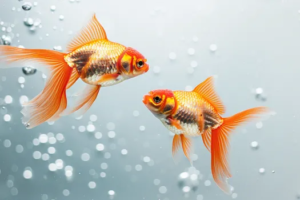
Goldfish Habits and Types
Goldfish are lively but gentle, omnivorous, and easy to school - but watch density to avoid fouled water and low oxygen. They are cold-blooded and can't take sudden 5C+ swings; best growth is 20-28C, and they like slightly alkaline water (pH 7.5-8.0). Main types: grass, wen, dragon (pop-eye), and egg (no dorsal fin).

Goldfish Care Before and After Spawning
Before spawning, prepare a disinfected separate breeding tank with plants or a spawning mop, and keep a male:female ratio of 2:3 or 2:4. After laying and fertilization, remove the parents and keep water at 15-20C to hatch in 3-7 days. Feed fry yolk 2-3 days after hatching; keep oxygen ample and avoid water changes.
Signs Your Goldfish Is Ready to Breed
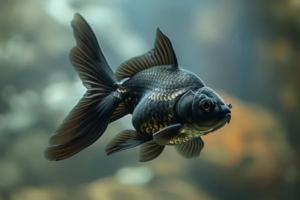
Breeding signs are clear: the female's abdomen swells with eggs, appetite drops, and she grows sluggish; the male becomes lively and chases her, sometimes nipping. A male in breeding condition also develops small white spots (nuptial tubercles) on the leading rays of his pectoral fins, which vanish after the season. Plan ahead with a rearing pond, extra nutrition, and stable water.

What Causes an Arowana to Stop Eating?
Many things cause refusal: bad or old water, indigestion, big environment changes, illness—and some arowana stop seasonally. Find the real cause for your fish. This article lists the common reasons.

How to Care for a Pregnant Cat
Once a queen mates and conceives, her appetite and weight rise quickly—typically gaining about 39% of her pre-breeding weight, depending on litter size. This guide covers the higher energy, protein, calcium, and phosphorus needs of pregnancy and the handling precautions that protect mother and kittens.