Search Results
234 results for “Breeding control”
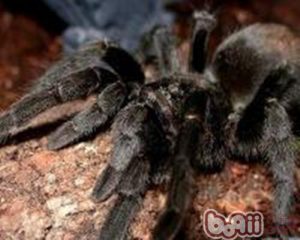
Brazilian Black
The Brazilian Black, also known as the Brazilian Black Velvet, is a gentle, beginner-friendly tarantula from Brazil's grasslands. Easy to keep but pricey due to difficult breeding and export limits, it needs 25-30 deg C, about 75% humidity, and varied insect prey.

Dyscophus antongili
The Antongil Bay Tomato Frog (Dyscophus antongili) is native to the east coast of Madagascar and feeds on insects. Restricted to a narrow range and threatened by habitat loss and poaching for the pet trade, it is listed under CITES Appendix I. Wild individuals come in red (females) or yellow (males), so choose a female if you want a red 'tomato'.

Northern Ornate Box Turtle
The Northern Ornate Box Turtle is a desert-dwelling box turtle of the genus Terrapene, found in the United States and Mexico. Highly drought-tolerant, it stores water well and endures arid conditions better than other box turtles.

Emydoidea blandingii (Blanding’s Turtle)
Blanding's turtle is a semi-aquatic turtle of the Great Lakes region, gentle and cold-hardy, with a smooth black helmet-shaped shell and a yellow hinged plastron marked with black blotches. It is omnivorous and adapts well to captivity.

Bell’s/Lowveld Hinge-back Tortoise
Bell's Hinge-back Tortoise (Kinixys belliana) is a relatively common hinge-back tortoise that lives a solitary life in dry habitats. Demanding in its care, it is not recommended for beginner keepers.

Painted Terrapin
The Painted Terrapin (Callagur borneoensis) is a distinctive member of the painted turtle genus whose carapace resembles a watermelon, with a red streak across the head. Distributed in Malaysia and Indonesia, it is a large, carnivorous, brackish-water turtle that must be kept in low-salinity water.

Travancore Tortoise
The Travancore Tortoise (Indotestudo travancorica) closely resembles the Burmese Star Tortoise in appearance and shares its preference for a dry habitat. Though sometimes considered a subspecies of the Burmese tortoise, this has never been confirmed; it is a shy, inactive tortoise suited to simple husbandry.

South African Bowsprit Tortoise
The South African Bowsprit Tortoise (Chersina angulata), also called the angulated tortoise, favors dry, hot regions and becomes inactive and refuses food when captive temperatures drop below 20°C. A strictly herbivorous species, it feeds only on plant matter in the wild and accepts fruits and vegetables in captivity.

FlemishGiant
The Flemish Giant is the largest domesticated rabbit breed in the world, originally from Belgium and recognized by the American Rabbit Breeders Association in seven coat colors. A gentle, docile, and hearty-eater companion that needs generous space and meticulous hygiene, it weighs 6–13 kg and lives around 5–8 years.

Stud Tail in Cats: Symptoms, Treatment, and Prevention
Stud tail is a hormone-driven acne of the tail base in intact male cats, caused by overactive scent and sebaceous glands. It produces blackheads and can progress to infection, and is best managed by neutering and skin care.