Search Results
234 results for “Breeding control”
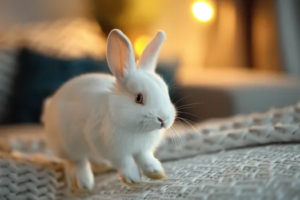
How to Schedule Breeding Buck Mating Reasonably?
Beyond the buck's own fertility, scheduling his matings well is key to raising conception. Today we discuss how to schedule buck mating reasonably.

Key Points for Managing Breeding Buck Rabbits
Breeding bucks need stricter management, because herd reproduction and quality depend on buck quality. Below are some management points we offer to help rabbit farmers.

What Should Owners Do for Winter Rabbit Breeding?
Low winter breeding rates in rabbits are common, but owners who do these things well can raise the rate. What should you do? Read on with us.

How to Prevent Repeat-Breeding Infertility in Female Rabbits
After reviewing the causes of repeat-breeding infertility in does, this article shares concrete prevention methods — from feeding and buck management to toxin control — to help improve rabbit conception rates.

Diagnosing and Controlling Rabbit Mange
Rabbit mange most often strikes kits and can be fatal. This guide covers the environmental causes, the symptoms to watch for, and the cleaning and treatment steps that prevent a full-colony outbreak.

How to Improve Rabbit Breeding Rate
To compete and profit, rabbit farms must raise quality and output. Here are ways to lift breeding rate and litter size.

Goldfish Habits and Breeding Behavior
Goldfish are social and do best in groups of two or more, but watch stocking density. They tolerate 0-39°C yet cannot stand sudden temperature swings, which can be fatal — keep temperature stable, ideally 20-28°C. They are omnivores eating animal, plant, and prepared foods; balance the diet for nutrition.

Breeding Rabbits: Reproductive Period and Best Use Years
Quality breeding stock lifts litter rates and kit health. Rabbits breed 4–5 years but peak at 1–2; manage housing (raised, dry, clean), season care, and disease prevention (vaccines, coccidiosis meds, regular disinfection) to get the most from them.
How long after breeding can a Schnauzer be bathed?
A female Schnauzer can be bathed 7 days after breeding, a male right after. In the unstable early days after successful breeding, bathing risks failure or uterine infection; best to bathe at 20 days.
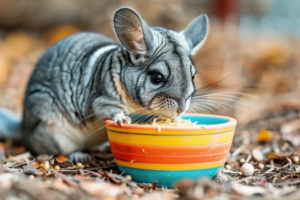
Hamster Breeding Characteristics
Hamsters breed early, have short reproductive cycles, large litters, and strong parenting instincts — in short, they are highly prolific. Because they breed readily and have no sense of inbreeding, leaving males and females together once they are old enough leads to inbreeding and overbreeding that harms their health. Owners should understand these traits and manage them with separate cages.