Search Results
918 results for “Blood in stool”
What are the signs of an upset stomach in dogs?
An upset stomach shows as poor appetite, arched back, lethargy and reluctance to move. Indigestion adds vomiting; gut imbalance or gastritis adds soft stool or diarrhea; parvo/corona adds fever and bloody stool.
What is the difference between canine distemper and parvovirus?
Canine distemper and parvovirus are two different viruses. Distemper mainly causes respiratory and neurological signs, while parvo attacks the digestive tract with vomiting and diarrhea. Parvo generally has a higher cure rate and fewer lasting effects.
What are the symptoms of enteritis in dogs?
The main symptoms of dog enteritis include loose stools, bloody stool, and vomiting. The causes are varied, including viral, bacterial, and parasitic infections, pancreatitis, and foreign objects scraping the intestines. Parvovirus and coronavirus infections commonly occur in unvaccinated or incompletely vaccinated puppies.

How Do Dogs Get Hookworms?
Dogs pick up hookworms by mouth (contaminated soil or feces), through the skin, or from mother to pup via placenta and milk. Signs include pale gums, weakness, weight loss, bloody diarrhea, and dull coat - a fecal exam and prompt deworming are key.
What are the symptoms of coccidiosis in cats?
Coccidiosis causes poor appetite, vomiting, diarrhea, jelly-like or bloody stools, malnutrition, and lethargy. Long/heavy infection brings anemia, dehydration, weight loss, pale gums, and dull coat. It spreads by contact; deworm regularly and use sulfa drugs if infected.

Can dogs eat sweet potato?
Yes. Sweet potato is rich in fiber, vitamins, potassium and adiponectin, which aid gut movement, ease constipation, lower blood lipids and help the heart. But too much at once causes bloat, soft stool or diarrhea, and frequent feeding can lead to picky eating and later malnutrition.

Causes and Treatment of Dog Hepatitis
Dog hepatitis can stem from infectious canine hepatitis, toxins or drugs (arsenic, mercury, plant alkaloids, phenols, chlorpromazine, testosterone, halothane), or liver-fluke parasites. Early signs are vague — lethargy, appetite loss, jaundice, vomiting — so a vet visit and blood work are needed; treatment removes the cause, supports the liver, and uses antivirals when viral.
Does a dog really need deworming every month?
Under 6 months: monthly. Over 6 months: still monthly is advised, but with good hygiene do internal deworming every 2-3 months and external monthly. Parasites harm skin and gut and steal nutrients, so regular deworming is necessary.
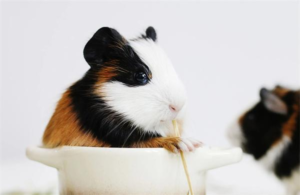
Common Guinea Pig Diseases and Their Symptoms
Guinea pigs commonly suffer digestive troubles (diarrhea, constipation, gut parasites), respiratory infections (pneumonia, bronchitis), skin disease from bacteria, fungus, or external parasites, and urinary issues (cystitis, nephritis). Good diet, clean housing, checkups, and prevention keep them healthy.
Why do dogs get canine parvovirus?
Dogs catch parvovirus through poor diet, chilling, dirty living conditions, internal parasites, or contact with the virus. Signs include lethargy, appetite loss, vomiting, diarrhea, and bloody stool; untreated cases dehydrate and can die. Vaccination prevents it, so see a vet promptly if infection is suspected.