Search Results
918 results for “Blood in stool”
How to tell if an Alaskan Malamute has worms?
If it eats enough but stays thin, with sparse coarse fur, lethargy, blood in stool, and scooting, it may have worms. Confirm with a fecal test for eggs at the vet; heavy loads may pass segments. Deworm monthly, or every 2-3 months as an adult.
What causes a puppy to vomit and have diarrhea?
Causes include hard-to-digest or toxic food, or serious gut disease like gastroenteritis or pancreatitis; also parvovirus, coronavirus, or parasites, with parvovirus usually showing blood in stool. Try probiotics; if no improvement, see a vet.
What is a “week dog”?
A "week dog" dies within 7 days of purchase; it looks healthy at first but on day 3-5 shows cough, vomiting, diarrhea, lethargy, blood in stool, usually late-stage distemper or parvovirus with low cure rate. Sellers inject serum or stimulants to hide illness.
Signs that a dog’s intestines are cut/irritated and in distress
A torn gut shows belly pain, low appetite, lethargy, soft stool, and blood in stool; a blockage can cause repeated vomiting. Avoid hollow bones. Give probiotics; if blood appears, add broad-spectrum antibiotics. Vomiting blood with pale gums needs urgent vet care (ultrasound, X-ray, blood test).
Why is my dog not eating or drinking?
Refusing both food and water may be pickiness — test with favorite food. If it still refuses, suspect disease (digestive, respiratory or urinary), often with vomiting, diarrhea or blood in stool, and see a vet.
What to do if a kitten has diarrhea?
Give pet probiotics and a light diet, no irritating food. If no improvement, it may be acute enteritis needing anti-inflammatory meds. It could also be internal parasites or panleukopenia; with blood in stool, low appetite, weight loss, or lethargy, see a vet.
What are the symptoms of a sick cat?
Sick cats often show reduced appetite, low spirits, less activity, mood swings, irritability, dry nose, messy coat and dull eyes; some also have temperature changes, runny nose, sneezing, cough, vomiting, diarrhea or blood in stool. Serious illness like FIP adds refusal to eat, rapid weight loss, seizures or shock. See a vet promptly and never medicate blindly.
What Are the Symptoms of Feline Panleukopenia (Cat Plague)?
Symptoms include repeated fever, frequent vomiting, diarrhea, lethargy, and loss of appetite. Later, the cat may stop eating, pass blood in stool, and vomit foam; prolonged vomiting and dehydration make it weak and unsteady, and without treatment it can die within days. It's highly fatal—vaccinate with the FVRCP shot early.

Common Everyday Cat Illnesses (Part 2)
Five more common cat conditions: (1) Panleukopenia (feline distemper) — a fierce, contagious viral disease hitting gut and airways; fever, bloody diarrhea, lethargy, dehydration; high death rate in under-8-week kittens, so vaccinate and rush to a vet at the first sign (lice, mites, fleas can spread it). (2) Cancer — rarer than in dogs but cats hide pain; watch for lumps, non-healing skin infections, weight loss, vomiting, odd urination. (3) Kidney disease — common in seniors; low appetite, weight drop, vomiting, lethargy; needs dialysis or transplant when severe. (4) Fractures — from falls; sudden limping or hiding. (5) Poisoning — from human food or toxic plants; repeated vomiting/diarrhea, blood in stool/urine; vets give fluids and anti-emetics. Don't rely on self-healing—use a trusted clinic.
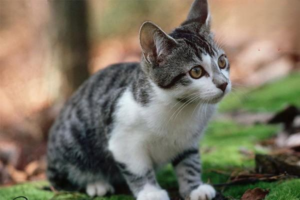
Why Your Cat Keeps Retching
Repeated retching means something is wrong — most often a hairball, a swallowed foreign object, or gut parasites. Expel hairballs with paste, get any stuck object removed by a vet, and deworm on schedule to keep parasites off the table.