Search Results
67 results for “Bell collar”

Yellow-bibbed Lory
In many places few people keep the Yellow-bibbed Lory, but in the Solomon Islands it is a different story: this is the wild habitat of the Yellow-bibbed Lory, and many locals keep them as pets. Visually the Yellow-bibbed Lory is striking, showing red, yellow, green, and other colors, so many are attracted at first sight. Moreover, the Yellow-bibbed Lory is a strong mimic, whistling is easy for it, yet although it whistles often it never seems noisy.
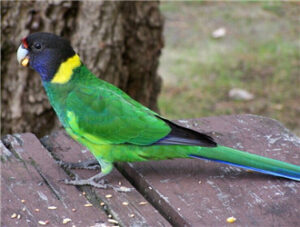
Port Lincoln Parrot
The Port Lincoln Parrot has three subspecies in total. Owing to its wide distribution, its habitat is equally varied; it is mainly active in open eucalyptus woodland, shrubland, farmland and orchards, coastal areas, desert regions, suburbs, and parks. Populations in northern Australia undertake seasonal migrations.

Blue-winged Pitta
The Blue-winged Pitta (Pitta brachyura) gets its name from the eight vivid colors on its body—red, green, blue, white, black, yellow, brown, and chestnut—making it a highly ornamental bird.
Not sure if it’s ringworm, no fur, only 3 days home
From the photo it can't be confirmed; if on the belly, symmetric hair loss may be nipples. Confirm ringworm with a Wood's lamp (green fluorescence) or skin scrape at the vet. Treat with a collar, clipping, antifungal spray/ointment, and vitamin B and lecithin.
No pet hospital in the hometown; what medicine to relieve first?
Small belly bumps are usually superficial pyoderma or eczema from dampness. Rinse with saline, clean pustules, disinfect with diluted peroxide or iodine, apply Pipute spray and zinc oxide twice daily. Oral antibiotics or medicated baths help; collar on; disinfect the environment.

Why Does My Dog Have Red, Crusty Skin Patches
Red, crusty spots can come from parasites, fungal or bacterial infection, allergies, or injury. Small wounds can be cleaned with iodine and an Elizabethan collar; larger or spreading patches need a vet skin scrape to find the cause. Early treatment is cheap — don't delay.

How to Read (and Lift) a Cat’s Bad Mood
An unhappy cat may go quiet and hide, eat less, over-groom or stop grooming, urine-mark, or lose interest in toys. Cheer it up with company, brushing, treats, and praise; cut stressors and keep a calm routine; a plug-in pheromone diffuser helps. A cat mirrors your mood, so stay calm — and remember that lasting low mood can cause urinary blockage or weight loss.

Can You Use Povidone-Iodine on a Dog’s Wound
Povidone-iodine is a broad-spectrum disinfectant safe for many dog wounds such as scrapes, mild bites, and paw injuries. Clip the fur, flush with saline, then dab iodine on; wipe off excess and use an Elizabethan collar so the dog doesn't lick it. Deep, large, or infected wounds need a vet.
Does My Cat Know It Was Neutered?
A cat has no concept of 'neutering' — it wakes from anesthesia feeling only incision pain and antiseptic smell, not a loss of fertility. Post-op quietness or poor appetite is normal recovery (pain, lingering sedation, the cone), and any 'revenge' peeing fades with care. Spay/neuter before sexual maturity (~6–8 months) and watch the incision for infection.
No Response When Called? 5 Signs of Hearing Loss in Dogs
A dog's hearing is four times sharper than a human's, so hearing loss hurts its quality of life and can put it in danger. Watch for five signs: slow response to everyday sounds (name, doorbell, treat bag, commands); deeper sleep that only breaks when touched; being easily startled because it relies more on sight and stays clingy; poor sound localization (turning the wrong way with one-sided loss); and changed bark volume. Causes range from age (often from 8–10) to ear infections, mites, wax, drug side effects, injury, tumors, or breed predisposition. See a vet early; for age-related loss, use hand signals, keep the environment stable, and try a vibration collar.