Search Results
67 results for “Bell collar”
Several External Parasites to Guard Against in Spring
This article introduces dog external parasites that stay active around our dogs and relate closely to life; with a little care we can prevent them effectively.

7 Advanced Tips to Prevent Dog Heatstroke
Today we learn advanced tips for walking dogs in summer.

Dogs Can Go Bald in Middle Age Too
Not all hair loss comes from skin disease. Let's look at why dogs go bald and which kinds you can actually fix.
External Parasites of Dogs and Cats
Summer is here and your pet is clingier - but watch external parasites during play. What external parasites affect dogs and cats?

Damp Weather as a Cause of Cat Eczema
Just like people, cats get eczema in damp weather. Lesions appear on the neck, back, belly, and paws, with itching and weeping sores. Treat by removing the cause, stopping self-trauma, and using zinc-oxide ointment plus an antihistamine.

Cat and Dog Scratches, Bites, and Wound Care
Know how to handle being scratched or bitten by a pet and how to treat a pet's own fight wounds: clean promptly, watch rabies risk, respect sensitive body parts, and use antibiotics and a collar to prevent infection.
Corgi skin disease; what is this medicine, and it seems useless, what to do?
Oral skin medicine may fail from wrong drug or poor care; the photo does not show the drug or confirm the infection. But heavy belly dandruff suggests fungus, so first do a skin scrape. Care: clear scale and use the right topical by pathogen, twice daily, with weekly medicated baths. Use an Elizabethan collar during treatment.
The spot where I put the band-aid in the picture keeps leaking milky white fluid, like breast milk, and it won’t stop.
Constant discharge from a cat's belly is likely a deep wound infection, worsened by covering it with a band-aid. Fit an Elizabethan collar to stop licking and take the cat to a vet for cleaning and antibiotics, since a band-aid only traps the infection.
Labrador
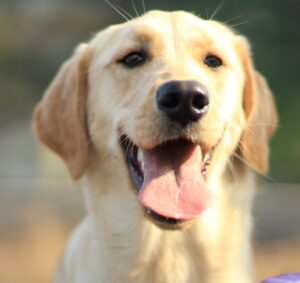
The Labrador Retriever, also called the Lab, is a medium-large, friendly and highly intelligent breed trained as a guide and working dog. Along with the Husky and Golden Retriever it is among the three non-aggressive breeds, and comes in three standard colors: black, yellow and chocolate.

Curly-CoatedRetriever
The Curly-Coated Retriever, originally from Britain, takes its name from its curly coat. Independent and calm, it is never shy or self-absorbed. In the show ring it stands firmly and obediently; in the field it is enthusiastic, steady, and brave; at home it is calm and friendly. One of the oldest retrievers, it has remarkable scent and memory.