Search Results
1856 results for “Bacterial infection”

Enrofloxacin for Pets: What It Treats and Key Safety Notes
Enrofloxacin is a third-generation fluoroquinolone antibiotic made for animals. It works by blocking a bacterial enzyme needed for DNA replication, and it is commonly used for urinary, reproductive, digestive, and skin or soft-tissue infections in dogs and cats. It is prescription-only: typical oral dosing is 5–10 mg/kg per day, and several groups should never receive it. Always follow your veterinarian's plan.

Is Yellow Dog Urine Always a Sign of Internal Heat?
Yellow urine in dogs is not always from internal heat; it can also mean low water intake, liver trouble, or urinary tract issues, so judge by the actual cause. If it is simple internal heat, lighter meals and more water clear it up fast. Persisting yellow urine, especially with blood or painful urination, warrants a vet visit to check the liver or urinary system. Infections are usually bacterial and need veterinary antibiotics plus a urinary prescription diet and good hygiene.

What Causes Sepsis in Dogs and How Is It Treated?
Dog sepsis happens when bacteria such as Staphylococcus, Streptococcus, or E. coli multiply in the blood and release toxins, causing body-wide infection. Large skin wounds, bacterial diarrhea, purulent peritonitis, or open fractures can all trigger it. Early signs include fever, lost appetite, vomiting, diarrhea, weakness, rapid breathing, dilated pupils, and abnormal heartbeat. The sooner treatment starts, the better the odds, so see a vet at once if these appear. Treatment uses culture-guided antibiotics, nutritional support, symptomatic care, and restoring acid-base balance.

Red-Eared Slider Shedding but Not Eating: What to Do
A red-eared slider that sheds but stops eating may simply be reacting to the molt, or it may signal a problem with temperature, water quality, or health. First check that the habitat is right, then adjust water temperature and change water regularly. Offer varied foods like fish, lean pork, shrimp, and snails to tempt appetite, and use a dangled-food trick if it will not bite. If the fast drags on or other symptoms appear, consult a veterinarian.

Lin’s Butterflyfish
The Lin's Butterflyfish resembles other butterflyfish but is named for a black sickle-shaped band, also called Scythe Butterflyfish. Minimum tank 265 liters.

Scythemarked Butterflyfish
The Scythemarked Butterflyfish resembles other butterflyfish but is named for a black sickle-shaped band, also called Scythe Butterflyfish. Minimum tank 265 liters.

Yellow Butterflyfish
The Yellow Butterflyfish is mainly found in the Red Sea and Gulf of Aden, living in coral reefs at 3–20 m depth. Its beautiful appearance and easy care make it popular with aquarists.

Clown Loach
Also known as the Crown Loach or simply 'Clown,' the clown loach can reach 30 cm in the wild but typically only grows to about 10–12 cm in an aquarium. With its gentle temperament, it should not be housed with aggressive species.

Egg Turtles (Mud & Musk Turtles)
A collective name for the small, egg-shaped turtles of the family Kinosternidae - the mud turtles and musk turtles - popular for their compact size and personable behaviour.
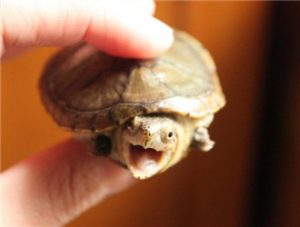
Herrera’s Mud Turtle
Herrera's mud turtle (Kinosternon herrerai) is one of the fiercer mud turtles — looking like a tiger-striped razorback but with the pugnacious personality of a narrow-bridged musk turtle. A rewarding but pricey and aggressive captive that is best kept alone.