Search Results
1856 results for “Bacterial infection”

Bad Breath in Cats: Causes and What to Watch For
An occasional whiff after a meal is normal, but constant cat bad breath points to an underlying problem. The causes run from simple plaque to digestion, mouth ulcers, kidney disease, and even diabetes, each with its own clue. Knowing what to look for helps you act before a minor issue becomes a serious one.

How to Care for an Alligator Snapping Turtle
Alligator snapping turtles are aggressive, long-lived freshwater turtles that make challenging but rewarding pets. They are mostly aquatic but must come ashore often to breathe, so provide a rock or basking platform. Keep water deep, about two to three times the shell height, with a land area for shelter and sunning. Change only one fifth to one third of the water weekly to avoid shocking them. Feed a varied carnivorous-leaning diet of fish, shrimp, earthworms, lean meat, and insects plus some greens, and keep the temperature steady at 26 to 32 degrees Celsius. Avoid overfeeding and too much fat or salt, and clean the habitat regularly to prevent disease.

How to Care for a Red-Eared Slider (Brazilian Turtle)
Red-eared sliders, often called Brazilian turtles, are inexpensive and hardy, which makes them a popular first pet turtle. But like any reptile, they need the right setup to stay healthy. Provide a spacious aquarium or tub so the turtle can swim freely, keep the water between 20 and 30 degrees Celsius with a heater, and add a basking platform or dry land where it can climb out to warm up and rest. Without natural sunlight, use a UVB lamp to support calcium absorption and shell development. Change the water regularly and keep the substrate clean to prevent infection. Feed a balanced omnivorous diet of vegetables, fruit, insects, and quality pellets, with calcium and vitamin supplements. With consistent care, your turtle can thrive for years.
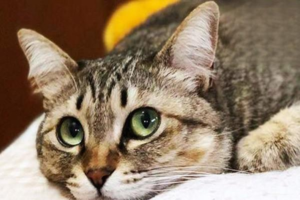
What Is Stud Tail in Cats?
Stud tail is an overactive sebaceous gland at the base of the tail that pumps out too much oil, leaving a greasy, waxy buildup on the tail and the back of the hindquarters. Many cats feel nothing from it, but if bacteria, fungus, or yeast move in, it itches and can inflame. It is common in unneutered tomcats and breeds like Himalayans, Persians, Siamese, and Rexes. Mild cases clear with a benzoyl-peroxide shampoo; severe ones may need surgery. Neutering lowers the risk, and regular brushing helps.
Why Did My Blood Parrot Cichlid’s Tail Turn Black?
Blood parrot cichlids are popular aquarium fish, and owners are often alarmed when a fish's tail slowly turns black. The cause is usually practical rather than mysterious—water temperature swings, poor water quality, a fright, or a bacterial black-spot disease. Most cases trace back to husbandry, so the fix is often a better water routine. This guide explains the common reasons and the matching treatment to bring the color back.
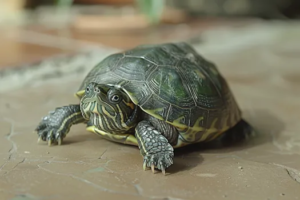
Internal Parasites in Turtles: Flukes and Protozoa
Flukes and protozoa are among the more common internal parasites in pet turtles, and knowing their signs helps you act before they drain your turtle's health. Flukes lodge in the liver, pancreas, and gut, causing appetite loss and bloody stool, while protozoa such as amoebas inflame the intestine and often trigger bacterial enteritis at the same time. Both are diagnosed through fecal checks and treated with specific dewormers plus gut support. This guide lays out the symptoms and the matching treatment for each parasite.
Physiological Traits of Newborn Puppies
Newborn puppies are fragile and depend entirely on their mother. They can't stand at birth, regulate their own temperature, or control elimination, and their digestive and immune systems are still developing — they get early immunity only from the mother's colostrum, which drops sharply after 25 days. Good daily care means a warm, quiet nest, supplemental warming if the mother is absent, scheduled nursing with small frequent milk feeds, and daily checks of elimination. Watch for diarrhea and keep the umbilical area clean and disinfected with iodine to prevent infection.

How to Treat Water Mold Disease in Turtles
Water mold disease in turtles is best caught early, since most medications only work in the initial stage. The two core approaches are raising the water temperature to 28–30°C, which suppresses the fungus, and dry-docking the turtle so the fungus dies without water. For severe cases, antifungal medications such as povidone-iodine are applied topically. Combined with warmth and dry-docking, these methods give the best recovery, while preventing injury and keeping water warm remain the best long-term defense.
My dog keeps scratching and the fur is matted, including both sides of the face — does it need a vet?
Persistent scratching has many causes, so if it does not improve, take the dog to a vet to identify the underlying issue. It may be a fungal or bacterial skin infection, parasites or mites, or an allergy. Hair loss, red or swollen skin, and dandruff signal itch; treat fungal with antifungals, bacterial with antibacterials, and parasites with regular topical deworming.

Why Is the Fur on My Dog’s Nose Bald?
Bald patches on a dog's nose can come from dry skin, over-licking, or simple rubbing during play, but if you also see flakes, red spots, scabs or inflammation, a skin disease is likely. First rule out health problems with a check-up. If the skin looks normal, use a moisturizer or a little edible oil, keep the area clean and dry, and stop excess licking. Severe or persistent cases need a vet.