Search Results
1856 results for “Bacterial infection”
What are the symptoms of pyometra in female cats?
Pyometra is a serious uterine infection in unspayed female cats. Common signs include fever, increased thirst and urination, a swollen abdomen, and a brown discharge from the vulva. Open-cervix cases may be treated medically, while recurring cases require spaying surgery.

How Long Can a Dog with Neuritis Survive?
A dog's survival time with neuritis depends on severity, how quickly treatment begins, and the quality of at-home care — there is no fixed number. Mild cases can recover in 1–2 weeks with prompt treatment, while severe cases affecting the brain stem can be fatal within about a week.
On which days is feline distemper most dangerous?
Feline distemper is most dangerous on days three to five, when white blood cell counts plummet and secondary infections threaten life. Treatment combines antivirals, infection control, and supportive care.
Can I bathe my dog during her heat cycle?
Better not. Immunity is lower and she may bite; if you must, use a shower (not a soak) since the cervix is open during estrus. Otherwise just wipe with a damp towel.

Why Does Your Persian Cat Keep Tearing Up
Persistent tearing in Persian (Exotic) cats can have several causes. Their short nasal passages and shallow eye sockets make mild tearing normal, but blocked tear ducts, structural gland issues, conjunctivitis, keratitis, injury, or foreign particles can all increase eye discharge. Diet also plays a role: salty food and low water intake lead to internal heat and heavy tear staining. If tearing continues or comes with redness, fever, poor appetite, vomiting, or diarrhea, see a veterinarian for diagnosis and treatment.

Why Is Your Dog Coughing Without Producing Phlegm
A dry, hacking cough in dogs can stem from many sources, some harmless and some serious. Common causes include respiratory infections, bronchitis, tracheal collapse, kennel cough, parasite infection, and allergies. Some cases ease on their own, but a cough driven by illness needs prompt treatment to avoid worsening. Because the exact cause depends on the individual dog, observe the full picture and consult a veterinarian if you are unsure. Meanwhile, keep the living space clean and limit contact with other dogs to reduce spread and irritation.

Can Erythromycin Ointment Treat Cat Chin Acne?
Cat chin acne is a form of folliculitis, often from hormone imbalance, allergies, or bacteria. Erythromycin ointment has anti-inflammatory and antibacterial action, so it can help—but a cat's skin is sensitive and the thick ointment may clog pores or trigger allergies, sometimes worsening things. The real fix is environmental and dietary: clean bowls (ceramic, steel, or glass—not plastic), low-dust litter, and a balanced diet. For mild cases, warm water or a chlorhexidine solution; for severe redness, hair loss, or bumps, a vet may suggest mupirocin, clindamycin, or erythromycin ointment.

What to Do When Your Hamster Has Skin Disease
Hamsters can develop several skin problems, each with its own signs: mange mites cause hair loss, itching, redness, and ulcers; fleas, ticks, or larvae bring itching and wounds; ringworm shows as red, scaly, circular patches; bacteria cause inflammation, ulcers, and swelling; and allergies appear as red, itchy, inflamed skin. Any skin issue warrants a veterinary diagnosis and a targeted treatment plan. Keeping the cage clean and dry, offering regular sand baths, and feeding a varied, nutritious diet all help prevent problems and support the immune system.

Health Checks to Do After Rescuing a Stray Cat
Before a stray cat joins your home, a veterinary check-up protects the cat, any resident pets, and your family. Strays can carry parasites, skin disease, or hidden infections, so a targeted exam is worth the cost. Core tests include a physical exam, infectious-disease screening (panleukopenia, coronavirus, calicivirus, herpesvirus; add FIV and FeLV if you have other cats), a fecal exam for internal parasites, and a blood count to flag anemia, inflammation, or dehydration. Imaging or a Toxoplasma test may be added for specific risks. To keep costs down, ask clinics about rescue discounts, look for packaged wellness plans, and have the vet handle basic grooming during the visit. Always isolate the new cat for 7–14 days, deflea and deworm, then start vaccines once it has settled in.
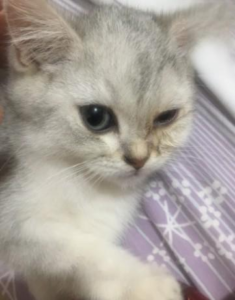
Cat Eye Swelling and Tearing: A Recovery Case
A cat with one swollen, tearing, discharging eye—but no sneezing or runny nose—most likely has a bacterial conjunctivitis rather than a viral one. Ingrown eyelashes or a foreign body can be the trigger. Oral amoxicillin plus antibiotic eye drops, an E-collar, and a dim, clean environment brought clear improvement in a few days. An ingrown lash, though, needs a vet to remove.