Search Results
1856 results for “Bacterial infection”
Cat keeps going to the litter box, digs, and urinates tiny amounts on the bed — what’s wrong?
Frequent litter-box trips and inappropriate urination suggest urinary disease, especially in male cats (cystitis, stones, crystals). See a vet; diuretics and antibiotics may help. Also consider heat in unneutered males and a dirty litter box.
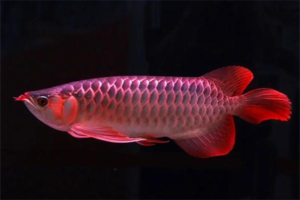
Why Arowana Get Pinecone Disease (Raised Scales) and How to Treat It
Pinecone disease (also called raised or loose scales) is common in arowana. It can be triggered by large temperature swings, poor water quality, or internal infections such as enteritis and ascites. Mild cases often respond to the 'old three methods' — raise temperature, add salt, and partial water changes — while severe cases need antibiotics.

Why Does a Kitten Have So Much Eye Discharge?
Excessive eye discharge in kittens usually points to a dusty environment, a diet that is too salty or low in water, a bacterial or viral infection, dacryocystitis, or feline herpesvirus (cat flu). Clear, watery discharge from irritation can simply be wiped away, but yellow-green, sticky, or painful eyes need a vet's diagnosis and targeted treatment. If discharge comes with lethargy or loss of appetite, see a veterinarian promptly to avoid complications.
How long does golden retriever arthritis take to heal?
With active treatment, golden retriever arthritis usually heals in about 1-2 months, depending on care and immunity. Causes include infection, genetics, obesity, and over-exercise.

Blood Parrot Cichlid Care: Ideal Water Temperature and Husbandry Guide
Blood parrot cichlids are colorful tropical aquarium fish. Keep the water stable at 25–28°C (77–82°F), maintain a slightly acidic pH of 5.5–7.0 with frequent partial water changes, feed a balanced diet of pellets plus occasional disinfected live foods, provide moderate lighting, ensure strong aeration, and watch for common illnesses like saprolegniasis and ich.
No pet hospital in the hometown; what medicine to relieve first?
Small belly bumps are usually superficial pyoderma or eczema from dampness. Rinse with saline, clean pustules, disinfect with diluted peroxide or iodine, apply Pipute spray and zinc oxide twice daily. Oral antibiotics or medicated baths help; collar on; disinfect the environment.
Dog can’t urinate, only drips.
Causes: 1) urinary disease - infection (amoxicillin-clavulanate or cephalexin, then hydrochlorothiazide); if still blocked, stones need X-ray/hospital. 2) slow metabolism - exercise more. 3) low water - soak kibble, give light diuretic foods, ensure water.
A small patch of hair loss on the cat’s neck – what’s going on?
Hair loss on the back of the neck may be bacterial, fungal, or parasitic. If no parasites are seen and deworming is regular, suspect bacteria or fungi; a skin scraping at the hospital tells which. Bacterial is not contagious and improves with antibacterial medicine; fungal (ringworm) needs antifungal spray and vitamin B.
Hamster has yellow-brown stool, seems energetic, was given anti-diarrhea medicine from the seller, but two days later still has loose stool, just less severe. Possible causes: a window was opened for ventilation a few days ago, or it was fed raw carrot slices before.
There are many causes of hamster diarrhea. If it is diet-related, adjust the diet promptly - stop spoiled feed and excess fruits and vegetables, fast for half a day while giving probiotics, and for watery diarrhea give Mommy's Love at the minimum dose plus oral antibiotics.
My long-haired cat has several lumps, as big as a date or as small as a peanut, but is active and eating well. What should I do?
Lumps on a cat are a symptom of skin disease, possibly scabs formed after the cat scratches the skin raw. First do a full check; at home you can use a Wood's lamp to see if it is ringworm, or go to the hospital for a skin scrape to identify the type before treating it.