Search Results
1856 results for “Bacterial infection”

Common Goldfish Diseases and Their Prevention
Common goldfish diseases include white spot (ich), cloudy eye, saprolegniasis, enteritis, fin/tail rot, and dropsy (pinecone disease). Learn these to prevent and lower illness risk. Water quality is the main health factor—keep it clean with regular changes and cleared waste to avoid bacterial growth and infection. Keep temperature steady and oxygen sufficient.

How to Stop Parrot Fish from Fighting
Parrot fish fight over territory, during breeding season, or from lack of food. Prevent it with a large enough tank (lower density), a hiding cave or separation when fighting is severe or during breeding, and ample food on a fixed schedule. For injuries, use coarse salt for minor wounds or isolate and treat severe ones with oxytetracycline or potassium permanganate.
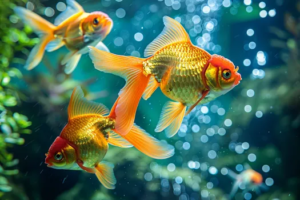
Why Is Your Goldfish Sitting at the Bottom of the Tank?
Goldfish sit at the bottom for many reasons — resting, stress from a new environment, low temperature, sudden water changes, or illness. If the fish perks up when the light brightens, it is just resting and needs no action. If poor water quality is the cause, change the water promptly; if it is sickness, treat the specific disease. Regular water care and stable temperatures prevent most cases.

Should You Keep a Red-Eared Slider Dry or in Water?
Red-eared sliders are common, hardy pet turtles, but proper care starts with the right setup. They should be kept mostly in water with a land area for basking, while dry keeping is only for sick individuals needing medication. Stable temperature, clean water, varied diet, and disease watch keep them healthy.

Why Vitamin A Matters for Your Pet Turtle
Vitamin A keeps a turtle's epithelial tissue, eyes, skin, respiratory tract, and urinary tract healthy. It improves vision, fights eye and skin disease, aids soft shell recovery, and prevents respiratory and urinary problems. Keep levels adequate through diet and supplements.
What should I do about my kitten’s heavy eye discharge and eyes that won’t open?
Heavy discharge and inability to open eyes are mainly eye infections — bacterial, viral, or mixed. A vet exam determines the type. Bacterial: lysozyme/tylosin drugs; viral: acyclovir drops, with thorough treatment by cause.
What eye drops for a kitten with red swollen, tearing eyes?
Red swollen, tearing kitten eyes can come from fight injury, foreign bodies, bacteria, or viruses. Check for trauma/debris, clean the eyes, and use pet anti-inflammatory drops; if no relief, see a vet. An unvaccinated kitten may have cat flu needing professional care.
What medication treats a dog’s red eyes with pus-like discharge?
Red eyes with pus-like discharge in dogs can be from ingrown lashes, eye injury, bacterial, or fungal infection. See a vet ophthalmology for diagnosis. First rinse with saline and use antibiotic eye drops or ointment; see a vet if no improvement to avoid worsening.
What medicine for a cat with red, swollen, tearing, inflamed eyes?
Red, swollen, tearing, inflamed eyes mean infection — bacterial, viral, or mixed. Bacterial: antibiotic ointment like tylosin. Viral: acyclovir drops. Try antibacterial drops first; if poor response, see a vet.
Frequent sneezing, stuffy nose, pus-like nasal discharge with blood streaks
Sneezing, stuffy nose, and pus-like discharge can come from upper respiratory infection, viruses, or bacteria. First see a vet to confirm the cause. If a visit is hard, give amoxicillin/clavulanate at home. If it does not improve, take the cat to a vet.