Search Results
1856 results for “Bacterial infection”

How to Prevent Dog Flu (Canine Influenza)
Canine influenza is a contagious respiratory disease in dogs caused by an influenza A virus. It does not infect people but spreads by contact; a vaccine only lessens impact, so supportive care and isolation of sick dogs are key.

How to Remove Dog Urine Smell
Dog urine holds ammonia and bacteria, so clean it fast. Blot (don't wipe) wood and tile, then use a pet odor eliminator, baking soda, vinegar, or hydrogen peroxide on grout; for sofas and carpets repeat with soapy water. Ventilate and keep lemon, vinegar, and baking soda on hand.
Do Not Give Cats Smectite Powder Carelessly
Smectite powder is not a fix-all for cat diarrhea, it can worsen gastroenteritis by trapping bacteria. Withhold food 6 to 8 hours, and if diarrhea continues use a vet-recommended antibiotic then an anti-diarrhea medicine.

Common Diseases Dogs Can Pass to Humans
Zoonotic risks from dogs include ringworm (fungal), salmonella and helicobacter (bacterial), and fleas, mites, or ticks (which spread Lyme disease). Deworm inside and out, and see a doctor if you show signs.

What Skin Diseases Affect Hamsters?
Most hamster skin problems come from poor husbandry and cause itching, hair loss, and distress. This guide covers the three main types — parasitic, ringworm, and allergic — and how to treat and prevent each.

Why Does Your Cat’s Breath Smell Bad?
Cat bad breath often points to dental plaque, gingivitis, digestive trouble, or serious disease such as kidney failure, feline leukemia, or diabetes. Have a vet clean the teeth, adjust the diet, treat the underlying illness, and use antibiotics to control infection.

How to Tell If Your Cat Has Ear Mites
Ear mites cause intense itching, brown flaky earwax, foul odor, and head-shaking in cats. Confirm by checking the ears, then clean with an ear solution, apply miticide drops, and deworm the whole body. Regular checks and a clean, sunny environment prevent recurrence.
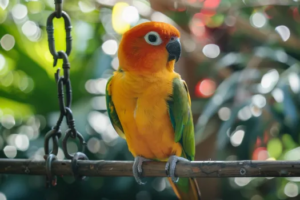
How to Help a Parrot With Fluffed Feathers and Diarrhea
Fluffed feathers can come from many discomforts; diarrhea is easier to trace. Common causes include weak gut, stress, bad diet, parasites, or infection. Learn the causes and fixes.

Medicated Baths for Dog Folliculitis: Which Product to Use
Mild folliculitis in dogs does not require a medicated bath, but when the affected area is large an antibacterial medicated bath is needed. The right product depends on the underlying cause — bacterial, fungal or parasitic — so a veterinary exam, often a skin scraping, should guide the choice.

Recurring Dog Folliculitis: Causes and Prevention
The common pathogen of dog folliculitis is Staphylococcus pseudintermedius, so treatment centers on antibacterial and anti-inflammatory care. But Demodex mites, fungi and other bacteria can also be triggers, which is why folliculitis often recurs — the medication may be wrong. Identifying the true cause is the key to stopping repeat outbreaks.