Search Results
1856 results for “Bacterial infection”
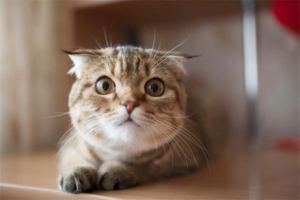
How to Treat Cat Sinusitis
Cat sinusitis is a common respiratory disease that can cause difficult breathing, coughing, head discomfort, and discharge. Treatment centers on controlling the infection—antibiotics such as amoxicillin-clavulanate for bacterial cases, or antiviral drugs like interferon when a virus is involved—plus isolation to protect other cats. Severe cases may need nasal flushing, and surgery if pus builds up and blocks breathing. This article outlines the symptoms, treatments, and home care you should know.

Why Does Your Dog Smell So Bad?
No matter how much you love your dog, the odors it carries can be hard to love. Many owners wonder why their dog smells, and the causes are not always obvious. A bad smell can signal a health problem, from wet-coat yeast and bacteria to ear infections, skin-fold dermatitis, gas, and impacted anal glands. Knowing where the odor comes from helps you treat the root cause instead of just masking it. Regular bathing and grooming, plus simple odor absorbers, can handle everyday smells that are not linked to illness.
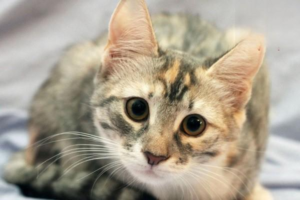
Cat Health Checkup Guide (Part 2)
This second part walks through what actually happens during a cat checkup: the physical, laboratory, and imaging exams. Knowing the routine helps owners make informed decisions and give their cat a more secure, well-supported life.

The Dangers of a Dog Holding Its Urine
Many owners know holding urine is harmful but aren't sure what counts as 'holding it.' Veterinary medicine offers two views: one links urination frequency to breed, sex, size, and health; the other says it depends entirely on the individual—diet, activity, water, and age. Either way, puppies urinate more than adults. Cesar Millan notes a healthy dog makes 10–20 ml of urine per kg of body weight daily and an adult needs to urinate at least 3–5 times outdoors daily; puppies need more. Trained dogs learn to hold, but don't assume that's fine—frequent holders are more prone to UTIs and urinary disease. Long holding lets stored urine contact the tract, causing infection and even stones; one study links a urinary carcinogen contacting tract cells for long periods to higher risk of some urinary cancers. No proven upper limit, but experts advise not exceeding 8 hours. Resulting diseases include UTIs (common in females), bladder stones (can block the urethra—emergency), aggressive bladder cancer, kidney failure, incontinence (spayed females), and prostate disease (males; blood in urine).

Why Does My Rabbit’s Nose Twitch Constantly?
A rabbit's nose may twitch frequently for many reasons—sniffing, breathing trouble, anxiety, or bacterial and parasite infections, even a nose injury. When the rabbit is calm or asleep, the twitching usually slows or stops. To protect your pet, provide a suitable environment, balanced diet, controlled temperature and humidity, and regular cleaning and disinfection to limit infection. If the twitching persists with a runny nose, injury, appetite loss, or lethargy, consult a veterinarian for a proper diagnosis and treatment plan.
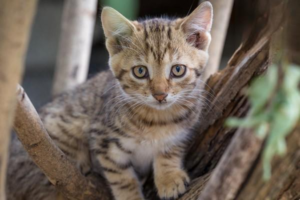
Why Are the Spaces Between My Cat’s Toes Ulcerating?
When the skin between a cat's toes starts to break down and ulcerate, the cause is usually environmental or dietary rather than mysterious. A damp living space lets bacteria flourish and lowers the skin's defenses; underlying ringworm or another skin disease can spread to the feet; small cuts from rough play can fester if left untreated; and a diet too high in salt weakens the skin from within. Identifying which of these is at play tells you whether a simple cleanup at home is enough or a veterinary visit is needed before the damage worsens.
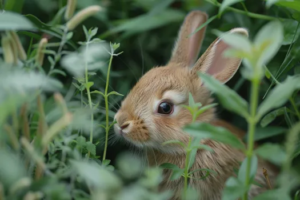
Why Does My Rabbit Keep Tearing Up?
Rabbits that constantly tear up may be reacting to simple irritants, eye infections, blocked tear ducts, dental disease, or even congenital eye conditions. Because persistent tearing can signal discomfort or an underlying problem, owners should keep the eye area clean, maintain a hygienic habitat, and ensure a balanced diet. If the tearing worsens or appears with redness, discharge, swelling, or loss of appetite, a veterinary exam is essential. This article covers the common causes and the practical home care steps you can take to keep your rabbit comfortable and healthy.

Why Pets Drool: Stomatitis and Periodontal Disease
Persistent drooling often points to mouth inflammation. Stomatitis can be contagious (virus-linked) and, in cats, often lifelong — a red line forms where gum meets tooth, with constant drooling. As it worsens, ulcers grow, the cat may stop eating and lose weight. Periodontitis, driven by bacteria and tartar, also causes drooling, bad breath, and tooth loss. Diagnosis needs an oral exam (often under anesthesia) and dental X-rays; treatment ranges from antibacterial rinses to antibiotics and, in severe tartar cases, extraction.

What Are the Symptoms of a Dog Cold?
Dog cold symptoms mirror those of cats and people—mostly upper-respiratory: sneezing, runny nose, cough, and fever. A bacterial cold usually comes from getting chilled (sudden temperature drops, high humidity, or a wet coat after a bath) and is often mild, sometimes needing only simple care; with Bordetella infection a dog will cough. A viral cold demands attention—the top suspect is distemper, whose signs span the respiratory, digestive (vomiting, diarrhea), nervous (loss of balance, head tilt, tremors, seizures), and skin (pustular rash, thickened nose/paw pads) systems. Know the difference so you can act fast.

Should You Reattach a Cat’s Lost Whisker?
A cat losing whiskers isn't something to glue back—whiskers can't be reattached, and usually they don't need to be. Shedding is normal with age (older cats' whiskers whiten, break, and fall as metabolism slows) and during growth (kittens lose and regrow them along with coat and teeth). The real worry is disease: skin infections (bacterial or fungal) and nutritional or metabolic disorders can also make whiskers fall. If loss comes with skin problems or you suspect a deficiency, act early—supplement vitamins and minerals, adjust the diet, check the skin, and consider fish-oil coat support.