Search Results
1856 results for “Bacterial infection”

What Causes Cat Sinusitis (and How to Prevent It)
Feline sinusitis is inflammation of the nasal passages and sinuses, usually from bacterial, viral, or fungal infection, and sometimes as a complication of dental disease or upper respiratory infection. Young and old cats are most at risk. Prevention means a clean, well-ventilated home; regular dental checks; a balanced, immunity-boosting diet; avoiding sick animals; and routine vet visits. See a vet if your cat sneezes often, has constant nasal discharge, seems congested, or loses appetite.
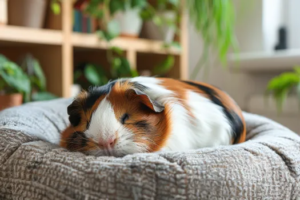
What to Do After a Hamster Bite
If a hamster bites you, wash the wound at once with warm water or saline, then disinfect with iodine. Stop any bleeding with clean gauze, and for a deep or large wound seek medical care and a tetanus shot. Pet hamsters rarely carry rabies, but a rabies vaccine is the safest precaution. To avoid bites, don't grab a hamster while it eats, sleeps, is pregnant, or when your hands smell of food—let it know you are there first.

Treating Cat Ear Mites: Cleansers, Medicine, and the Full Protocol
When a cat scratches its ears and shakes its head with dark waxy discharge, ear mites are the likely cause. A cleanser alone only removes debris—it does not kill the mites. Real recovery needs cleaning plus a miticide and a deworming spot-on, done in three rounds. Here is the full, safe protocol and what to look for in an ear cleanser.
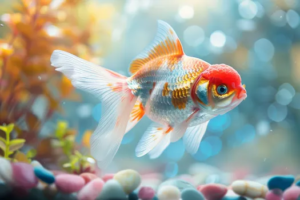
Why Is Your Ornamental Fish Turning White?
When an ornamental fish starts turning white, it is usually a sign of trouble. Common causes include fungal or parasitic infections such as saprolegniasis, neon-tetra disease, or white spot disease; poor water quality with high ammonia or low temperature; unbalanced nutrition; or simply genetics in fish that are naturally pale. Check for lethargy and appetite loss, test and stabilize the water, and feed a proper species-specific diet. If illness is the cause, consult a veterinarian for timely treatment.
How to Care for a Dog with Pancreatitis
Pancreatitis is a high-risk digestive emergency, especially common in overweight middle-aged and senior dogs, and it often returns even after recovery — so proper home care matters as much as treatment. During a flare-up, withhold food and water immediately and see a vet; never self-medicate. After discharge, feed a prescription diet under 10% fat (regular food is 15–20%+), split into 4–6 small meals, and strictly avoid all high-fat foods such as fatty meat, organ meats, fried food, and rich treats. Keep your dog warm to protect the abdomen, allow only gentle short walks, follow the medication plan exactly, and return for regular pancreatic checks. Controlling weight is the best prevention — obese dogs are over three times more likely to develop pancreatitis.
What eye drops are good for cat conjunctivitis?
Conjunctivitis is usually bacterial or viral. Bacterial cases are rinsed with boric or alum solution then treated with antibiotic drops and ointment; viral (herpes) cases need antiviral eye drops plus systemic support.

Why Is Your Dog’s Nose Running
Dust, other irritants in the nose, or a sudden change in weather can all make a dog's nose run, and that is usually harmless. But thick, pus-like discharge with fever or cough, constant drooling, lost appetite, or a changed environment are reasons to pay attention. The discharge itself tells a story: thick mucus hints at bacterial or viral infection, thin watery fluid points to rhinitis or an upper respiratory infection, and pus suggests inflammation with pus formation. Many conditions can cause it - drug or food poisoning, food allergy, pulmonary edema, nasal stenosis, sinusitis, rhinitis, heartworm, canine flu, adenovirus II, infectious hepatitis, and distemper. The simplest check is to wipe the dog's nose with a tissue and look at the result.

What Is Canine Salmonellosis
Canine salmonellosis is a group of infections caused by bacteria of the Salmonella genus, which can affect both dogs and people. Dogs pick it up from sick animals, contaminated food and water, or even healthy-looking carrier dogs, and the illness ranges from silent carriage to severe, life-threatening septicemia in young puppies. Signs include fever, vomiting, watery or bloody diarrhea, and rapid dehydration. Diagnosis relies on culture and identification of the bacteria from stool or organs, and treatment pairs antibacterial drugs with fluid and symptom support. Careful food handling and a clean environment are the cornerstones of prevention.

Why Your Dog’s Urine Is Dark
Normal dog urine is pale yellow. Dark urine is a sign that something is mixing into it, usually bile pigments, blood, or other material, and it often points to a real problem. The causes range from liver and kidney disease to infection and certain toxins, though a few are harmless.
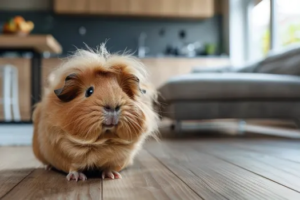
Why Does Your Hamster Have Soft Stools?
Hamster soft stools can stem from diet, infection, water, or stress. A fragile digestive system reacts badly to too much fruit or vegetable, moldy food, or unbalanced feed; bacteria or viruses can inflame the gut; poor or scarce water upsets it; and heat, environmental change, or fright lowers immunity. If you see soft stools, cut back on produce, check the water source, switch to a balanced diet with more protein and fat, keep the cage clean, and consider probiotics or medication for serious cases. If stools come with poor appetite or low energy, see a veterinarian promptly.