Search Results
1856 results for “Bacterial infection”
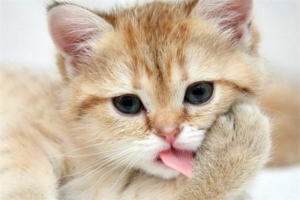
Why Your Cat’s Eyes Keep Getting Inflamed
Frequent feline eye inflammation often starts with a dirty, dusty home that lets bacteria or fungi take hold, or with injuries from branches and grass during play. Allergies to pollen, dust, or food can trigger it, and some cats are born with eyelid deformities like entropion or ectropion that invite infection. Have a vet confirm the cause and treat with medication or surgery when needed. At home, keep the environment clean, limit outdoor risks, and wipe the eyes regularly with saline to cut down on dust and bacteria.
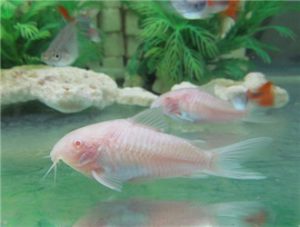
White Corydoras
The White Corydoras is native to South American waters and is now mostly captive-bred. An albino form of the Bronze Cory, it has a milky white body with clear red eyes, is gentle, and is kept in schools. Egg-laying and good with small fish, it suits planted tanks as a bottom fish.
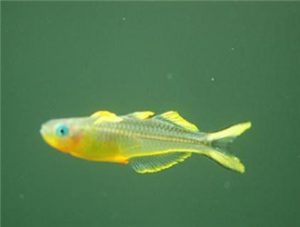
Forktail Blue-eye
The forktail blue-eye is a small rainbowfish with a pale blue-green, semi-transparent body that looks beautiful swimming in the aquarium, so it costs more than other rainbowfish.
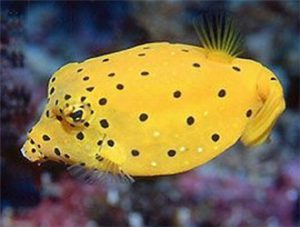
Papaya Fish
The papaya fish has a very special name and equally special looks. Its whole body is wrapped in a hard bony carapace that cannot move; only the mouth and caudal peduncle are free, so it moves very slowly.

Molly Fish
Like the guppy, the molly is a live-bearing fish, and by body shape it is roughly split into common and balloon types, so there are many molly varieties. Mollies are very gentle and can be mixed with other equally gentle ornamental fish.

Varanus rudicollis
The roughneck monitor is distinguished by its slender snout, which becomes progressively rounder as it grows; adults develop a jaw shape reminiscent of a beast of prey. Adults can reach a total length of up to 146 cm.

Skin Disease in Collies and Other Herding Breeds: Why Medication Must Be Chosen Carefully
Collies and related herding breeds often carry an MDR1 gene mutation that prevents normal drug clearance, making them dangerously sensitive to certain parasiticides such as ivermectin. Skin problems are treated as in any dog, but parasite control and other medications must be chosen with a veterinarian to avoid toxicity.

Canine and Feline Nasolacrimal Duct Obstruction (Epiphora)
Nasolacrimal duct obstruction blocks normal tear drainage in dogs and cats, causing chronic epiphora (tear overflow) and facial staining. Congenital duct atresia usually needs surgical correction, while acquired obstruction from conjunctivitis or injury is managed by treating the underlying cause.

Canine and Feline Keratitis: Symptoms, Treatment, and Prevention
Keratitis is inflammation of the cornea in dogs and cats from trauma, microbes, or chemicals, causing pain, cloudiness, and ulcers that can threaten sight. Prompt care protects the cornea and preserves vision.

Canine and Feline Blepharitis: Symptoms, Treatment, and Prevention
Blepharitis is inflammation of the eyelid margin in dogs and cats, usually from bacterial or fungal infection of overactive glands, causing redness, crusting, and often conjunctivitis. It is treated by cleaning the lid and controlling infection.