Search Results
1856 results for “Bacterial infection”
Is oxytetracycline good for dogs?
Oxytetracycline (a tetracycline antibiotic) helps bacterial enteritis and respiratory infection, but don't use it blindly — viral or parasitic causes need different treatment.
Cat Ringworm and Stubborn Skin Issues: How to Choose Treatment
Ringworm (dermatophytosis, often Microsporum canis) is famously stubborn and recurrence-prone, and the usual reason is that a surface-only spray never reaches the fungi hiding in the dermis—so it looks better for a day or two, then flares again. Human products can also irritate cat skin. The practical rule is to match the treatment to severity: a broad-spectrum antiseptic spray for early mild spots, a terbinafine spray for a confirmed simple fungal infection, and a ketoconazole-plus-metronidazole ointment when the lesion is ulcerated, smelly, and mixed with bacteria. This article explains why ringworm recurs, how to pick by stage, and the cautions (licensed products, environmental cleaning) that actually stop it coming back.

Why Does Your Dog Keep Licking Its Paws?
Frequent paw licking can be boredom, an early sign of interdigital dermatitis or skin infection, a wound, or damp 'athlete's foot'. Long paw fur that stays wet breeds bacteria and leads to interdigital inflammation, so trim and dry the fur and clean the paws after walks. Check for cuts from stones, thorns, or glass, and for parasite or yeast infections that itch. If the paws look normal, the licking is likely boredom, and more playtime helps prevent the loneliness that can slide into depression.
Does Bathing a Cat Replace Deworming?
A clean cat is not a parasite-free cat. Bathing only rinses away a few adult fleas or lice—their claws grip the hair root, so most adults stay put, and eggs and larvae are far too small to wash out. Ticks are worse: their mouthparts bury deep in the skin and need a tool to remove, not a rinse. Mites living under the skin or in the ear canal also survive a bath. And internal parasites—roundworm, hookworm, tapeworm, heartworm—live in the gut, blood, and heart, unrelated to how the coat looks. On top of that, cats should not be bathed often; frequent washing disrupts skin oils, dries the coat, and invites bacterial or fungal infection if not dried. This article explains why deworming is still essential, even for indoor cats, and a sensible schedule.

Common Diseases in Hamsters
Hamsters face several common diseases, including tumors, respiratory conditions, digestive problems, skin issues, and dental trouble. Some are easy to prevent, for example by offering chew tools so teeth stay the right length, which lowers the chance of dental disease. To protect your hamster, take preventive measures early, watch its behavior and symptoms closely, and visit a veterinary clinic promptly if anything seems wrong.

Why Is My Cat’s Skin Red and Swollen?
Red, swollen, itchy, or balding patches that your cat keeps scratching are often a sign of skin disease, and some types can spread to people, so take it seriously. Common causes include allergies, which usually appear symmetrically with intense itch from food, pollen, dust mites, or contact with irritants; infections that enter through small scratches, such as bacteria causing hot, painful, pus-filled spots, fungi causing round hairless red rings that may glow green under a Wood's lamp and can infect humans, or parasites like mange and ear mites; and rare autoimmune issues like pemphigus or lupus that bring symmetric blisters and general signs. Before seeing a vet, put on an Elizabethan collar to stop scratching, switch to a single-protein hypoallergenic diet, remove suspected allergens, and check with a Wood's lamp in the dark: green glow suggests fungus, treat with ketoconazole ointment, while no glow allows antibacterial ointments like zinc oxide, erythromycin, or mupirocin after clipping, rinsing with saline, and disinfecting with iodine. For severe itch, chlorpheniramine can help. If it worsens or brings other symptoms, see a vet for tests, and add B vitamins and fish oil for skin immunity.
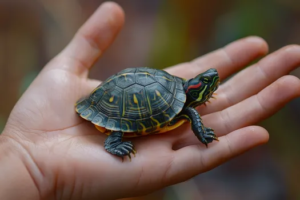
What Water Temperature Is Best for Snapping Turtles?
Snapping turtles tolerate water from 3 to 45 degrees Celsius, but thrive best between 20 and 30 degrees. Below 18 degrees they stop eating, and below 15 degrees they enter hibernation. Above 30 degrees they may become overactive and suffer dysfunction, with signs like poor appetite and breathing difficulty. Keep the water within a comfortable range and change it regularly, replacing about one quarter to one third each time, to keep quality and temperature stable and support healthy growth.
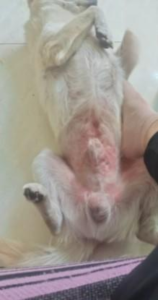
Dog Skin Redness and Hives: A Recovery Case
After a day outdoors, a dog came home with a large red, itchy rash on its belly—likely bacterial eczema or allergic dermatitis/hives. Left unchecked, such redness spreads fast and itches intensely. With an antimicrobial skin spray, zinc oxide ointment, and an oral antihistamine, the redness faded within a few applications. Catch it early and see a vet if it spreads.

What Causes Periodontitis in Dogs?
Periodontitis is a common and painful dental disease in dogs, driven by a mix of physical, fungal, bacterial, and metabolic factors. Physical causes include chewing on fish bones, wire, or other sharp objects that injure the mouth, while fungal infections such as Candida or Blastomyces and bacterial overgrowth can trigger necrotizing ulcerative gingivitis. Metabolic problems like diabetes, kidney disease, dehydration, and hypothyroidism also raise the risk. Affected dogs show bad breath, drooling, swollen or receding gums, loose teeth, and sometimes pus. Diagnosis combines an oral exam with dental X-rays, and treatment requires professional cleaning or extraction under anesthesia plus ongoing home dental care.

Why Do Cats Get Folliculitis?
Feline folliculitis is a common skin condition that causes discomfort and distress for cats. It can be triggered by a mix of external factors, daily habits, and even genetics. Environmental issues such as bacteria, fungi, and parasites thrive in warm, humid conditions and raise the risk of infection. Over-grooming, scratching, and poor coat care can also damage the skin and lead to flare-ups, while long-haired breeds like Persians and Siamese are genetically more prone to it. The good news is that folliculitis is manageable. Treatment involves clipping the affected area, cleaning with saline, disinfecting with iodine, and applying an antibacterial ointment daily. Prevention relies on a balanced diet, regular grooming, a clean and dry living space, gentle bath products, and routine veterinary checkups. With the right care, owners can greatly reduce the likelihood of recurrence.