
Bronze-winged Parrot
Bird
The Bronze-winged Parrot (Pionus chalcopterus), also called the Living Rainbow, gets its name from its deep blue-purple body and bronze head and neck. It inhabits tropical and subtropical forests at elevations of 500–2000 m.

Grey-headed Lovebird
Bird
The Grey-headed Lovebird (Agapornis canus) is loved for its largely green plumage, its lifelong pair bonds, and its quiet nature compared with many other parrots. Native to Madagascar, it is a small, gentle, and shy companion bird.

Major Mitchell’s Cockatoo
Bird
Major Mitchell's Cockatoo (Cacatua leadbeateri), also called the Leadbeater's Cockatoo, is a beautiful parrot named for its striking red-and-yellow crest resembling a tribal chief's headdress. Native to Australia, it is long-lived and prized by keepers, though it commands a higher price than many other parrots.

Purple Grenadier
Bird
The Purple Grenadier (Uraeginthus ianthinogaster) is a richly colored and beautiful finch with a gentle, non-shy temperament that gets along well with people, making it an excellent pet bird. It is mainly distributed across Somalia, Sudan, Ethiopia, Kenya, Tanzania, and Uganda.

Lilac-crowned Amazon
Bird
The Lilac-crowned Amazon (Amazona finschi) is mainly distributed along the Pacific west coast of Mexico. A beautiful medium-sized parrot, it is especially distinctive for its lilac-blue crown feathers and the red markings on its forehead.

Jenday Conure
Bird
The Jenday Conure (Aratinga jandaya), also known as the Jendaya Conure, is a typical climbing bird with an almost entirely green body. Not particularly introverted, it is mainly distributed in Brazil and is a lively, social small parrot.

Japanese Paradise Flycatcher
Bird
The Japanese Paradise Flycatcher, also called the Japanese paradise flycatcher, is a medium-sized songbird. It has a fiercer temperament, strong territoriality, and likes to sing. If kept at home, it is best tamed well from a young age, or it will easily disturb the neighbors.
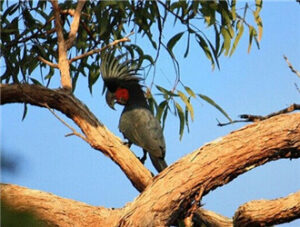
Palm Cockatoo
Bird
The Palm Cockatoo is a typical perching bird, mainly inhabiting tropical rainforest regions, usually active in pairs and gregarious during breeding. It is mainly distributed in New Guinea and surrounding islands and the northern Cape York Peninsula of Queensland, Australia.

Nanday Parakeet
Bird
If someone asks you the representative bird species of the Pantanal, answering Nanday Parakeet will meet no objection. Although some choose them as pets, not everyone likes them — local farmers are at odds with them, mainly because the Nanday Parakeet eats crops and directly reduces yields.

Brambling
Bird
The Brambling is fairly widely distributed and is a small bird about 16 cm in length. It usually moves in flocks, pairing up only during the breeding season, and typically roosts in trees. Because it pecks crops, it causes some agricultural harm.

Salmon-crested Cockatoo
Bird
As its name suggests, the wild Salmon-crested Cockatoo is found only in Indonesia's Maluku Islands; elsewhere you will only see captive birds. Due to increasing hunting and habitat destruction, its numbers have dropped sharply, and it is now listed as a Vulnerable species.
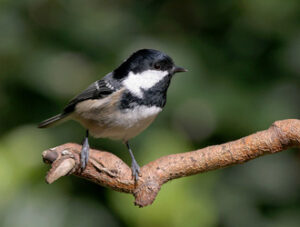
Coal Tit
Bird
Many caged Coal Tits are male birds — the reason is simple: the male's call is louder, which wins the favor of many bird lovers. Wild Coal Tits are widely distributed across Asia, Europe, and Africa. A pair signals the breeding season, while a flock means they are not currently breeding.
Want to Learn More About Breeds?
Browse our pet health Q&A knowledge base for breed-related care advice and health information
View Q&A Knowledge Base →