Brown Oranda with Curled Opercula
2 Photo Gallery
1 Breed Profile
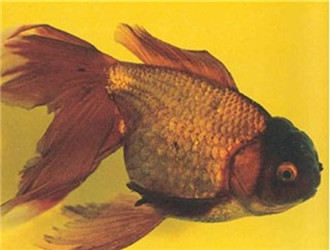
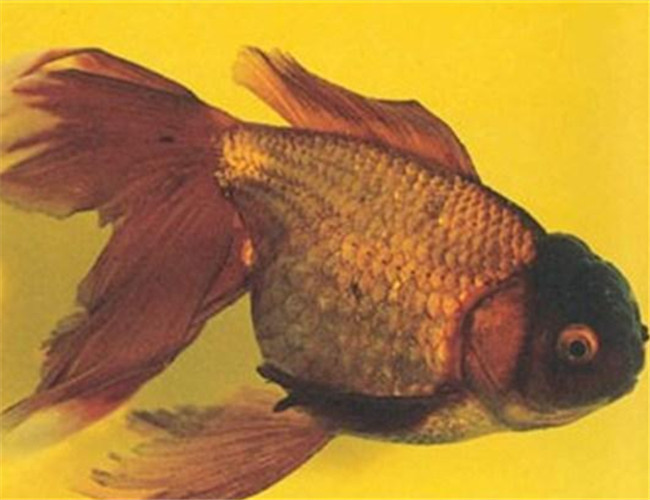
In goldfish, curled opercula is usually a disease sign, but the Brown Oranda with Curled Opercula has gill-cover edges that grow everted from inside out like a wound – a hereditary variation governed by genetics.
English name: Brown Oranda with curled Opercula
Type: Goldfish, temperate freshwater fish
Origin: China
Reproduction: oviparous
Water: At 15-18 C goldfish feed moderately, act normally, and water stays good longest – the easiest stage to manage.
Care level: easy
Suitable temperature: 15-18 C
2 Appearance
Head pointed-round, small eyes, normal nasal membrane; special are the curled gills, but do not think they are sick – this is a hereditary goldfish variation.
Curled opercula is a disease sign in goldfish: the gill-cover edge grows everted, some gill filaments exposed like a wound. But the variation is hereditary and does not affect breathing. In illness, having adapted long-term, it may resist disease better than normal-gill fish. This fish combines the Oranda wen and curled opercula; the wen should be high and the opercula evenly curled on both sides to be a proper specimen.
3 Husbandry
A goldfish, not hard, but the curled opercula need a suitable environment.
Sensitive to light, water, and temperature. The limit of sudden temperature change it can bear is 4 C; beyond that it sickens or dies. So match old/new temperature at water change. Also sudden hardness/pH change harms the protective film. Correct: rest new water 3 days so temp differs under 1 C and chlorine evaporates; change under 1/2, add slowly. In emergency add water conditioner. Or add hot water measured to near old temp.
Too weak or strong light affects color and growth. Dissolved oxygen is key; too low causes gasping or suffocation. Use an air pump sized to volume; external filtration also adds oxygen. Metabolic wastes: water change and add nitrifying bacteria.
4 Feeding
Follow the goldfish standard; omnivorous, so pellets, animal, and plant foods all work.
Animal: daphnia, earthworms, mealworms, caterpillars, beetle grubs. Mainly earthworms and white sesame; red or black earthworms both work. Avoid cheap low-quality goldfish food (starchy, poor, pollutes). Digestible food will not burst them. Feed morning and afternoon, not too much, until eaten.