Search Results
35 results for “zinc deficiency”
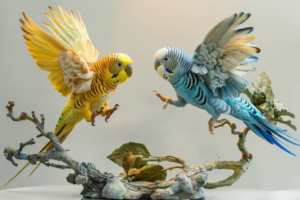
How to Treat Severe Feather Loss in Parrots
Heavy feather loss in parrots usually signals feather-picking syndrome, driven by parasites, skin infection, nutritional gaps, a poor environment, hidden illness, or stress. Treatment starts with pinpointing the cause — a better diet, a vet exam with skin scraping, or cleaner surroundings — and keeping the bird in a stable, calm home.

Can Cats Eat Eggs
Yes — cats can eat eggs in moderation (no more than about 10% of the diet, a couple of times a week). They're a digestible source of protein, taurine, and vitamins, but never feed them raw, and skip them for obese cats, egg-allergic cats, or kittens not yet on solids.
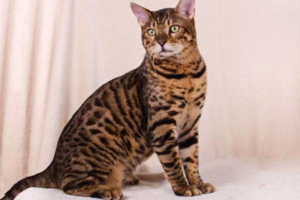
Why Your Cat Sheds So Much in Spring
Heavy spring shedding is usually normal as the winter coat drops, but loss that happens off-season can signal poor nutrition, a hormonal imbalance, or parasites and fungal infection. Daily brushing with a little massage is the best remedy, because healthy skin is what keeps shedding under control.

What to Do About Your Cat Shedding
Shedding is usually normal—seasonal coat changes, but also ringworm, too much dietary salt, or poor nutrition. Brush daily through the molting season and give hairball paste, cut salt and human food, feed balanced nutrition, and see a vet for suspected ringworm.

Symptoms of Cat Mouth Ulcers
The causes of feline mouth ulcers are complex, and for some cats the cause cannot be identified. Here are the symptoms and underlying causes.

The Best Foods to Feed Your Dog
Bone broth, fresh goat's milk, carrots, apples, eggs, green beans, organ meats, and salmon are packed with nutrients that support a dog's gut, coat, joints, and overall health when fed correctly.

A Cat’s Nutritional Needs
What nutrients does a cat need?

What to Do for Red, Swollen, Itchy Dog Skin (and Which Medicines)
Red, swollen, itchy dog skin usually comes from dermatitis, ringworm, or parasite infections. This guide explains the common causes and which medicines - antibacterial spray, zinc oxide ointment, antihistamines, or parasite control - help relieve the symptoms.

Understanding Pet Diabetes: Symptoms & Treatment in Dogs and Cats
Diabetes in pets is mostly primary (beta-cell damage) and shows as eat-more/drink-more/urinate-more/weight-loss. Management needs insulin, glucose-lowering drugs, fluids, diet, and infection control; prevention is fiber, exercise, and regular glucose checks.

Understanding Pet Diabetes: Symptoms & Treatment in Dogs and Cats
Diabetes in pets is mostly primary (beta-cell damage) and shows as eat-more/drink-more/urinate-more/weight-loss. Management needs insulin, glucose-lowering drugs, fluids, diet, and infection control; prevention is fiber, exercise, and regular glucose checks.
- « Previous
- 1
- 2
- 3
- 4
- Next »