Search Results
8 results for “young hamster food”
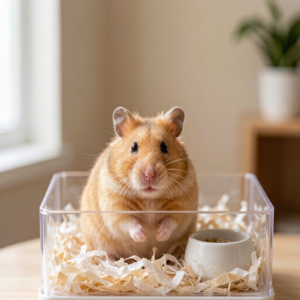
Signs Your Hamster Is About to Give Birth
As birth approaches, a hamster shows signs such as a visibly enlarged abdomen, reduced or refused appetite, less activity, bloody discharge from the vulva, and heightened alertness, while also seeking a suitable place to deliver. Prepare in advance, give extra attention, and provide a quiet, comfortable environment to protect the mother and her pups.

Preparing for Hamster Breeding
Hamsters breed fast, reaching sexual maturity at 2-3 months with pregnancies of 15-22 days and 5-8 pups typical. To breed successfully at home, start with healthy animals and a safe, warm, humid, well-ventilated nest box placed in a quiet, dim spot, and build them up with good nutrition and a supplement a week before pairing. Once paired, separate the male immediately since the female will not mate again but the male stays ready. Keep the mother calm and well-fed, and after birth avoid disturbing the nest, keep pups warm, restore the mother's strength, and split the young into their own cages at one month.

When Should You Wean Baby Hamsters?
Hamsters usually begin weaning at about 3 to 4 weeks, though the best timing varies with the individual. You can tell they are ready when they start eating solid food on their own, leave the nest more often, and the mother begins to refuse nursing. After weaning, feed a high-quality young-hamster mix with hay, oats, or millet as supplements, plus small amounts of chopped vegetables and fruit and constant fresh water. Separate the pups into their own cages, feed little and often, keep the cage clean, and maintain a warm, safe environment.
What Season Is Best for Breeding Hamsters?
Indoor pet hamsters can technically breed year-round with the right care, but spring and autumn are best for success and healthy pups. Both seasons have mild temperatures and plentiful, nutritious food, and females come into heat more readily. To breed, start with healthy adults of the right age, set up a roomy, warm, well-supplied cage, and pair them once the female shows clear courtship signs like squeaking or a raised tail. Avoid inbreeding, respect age limits (females around 3 months, males around 4), keep the cage clean and warm through the 6–10 day cycle, and after birth watch nursing, clean regularly, and split the pups into separate cages as they grow.

Syrian Hamster
The Syrian hamster (Mesocricetus auratus), also called the golden hamster or 'pearl bear', is a hamster from Asia and the first species kept as a pet. Docile and easy to breed, it lives 2 to 3 years with good care and comes in over 40 color varieties.

Pudding Hamster
The Pudding Hamster is a popular pet variety named for its pudding-yellow coat. Gentle and easy to handle, it is heat-sensitive, territorial, and can nip — so wash your hands before handling and never co-house it. It lives 1–3 years and needs steady 20–28°C and careful, chew-safe feeding.
How good is Niu’anji hamster food?
Niu'anji is an affordable hamster mix rich in animal protein and produce, balanced overall; its 14.9% protein suits adults more than pups.

Guinea Pig
The Guinea Pig (Cavia porcellus), also called the cavy, is a gentle South American rodent kept worldwide as a pet. It needs a roomy cage, a bottle, and — unlike many rodents — a diet with added vitamin C: grass hay, guinea-pig pellets, and fresh vegetables. Its teeth grow for life, so fibrous food is essential.