Search Results
6 results for “working line vs show line”
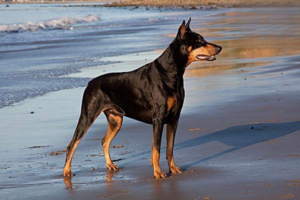
East German vs West German Shepherd: What’s the Difference?
Most think there is only one German Shepherd, but it is split into East and West lines. What differs between them? This article explains in detail.
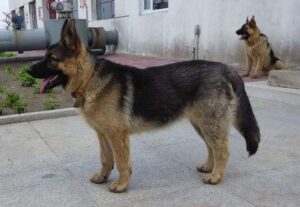
West German Show Line German Shepherd
The West German Show Line German Shepherd is the straight-backed variety of the German Shepherd. While the roached-back type is more common as a pet and show dog, the straight-backed line is prized by police and military for its strong working ability and endurance, though both share the same intelligence and temperament.
Bear-Type vs. Wolf-Type Samoyed: What’s the Difference?
Samoyeds come in two popular looks: the bear-type (often called the "Australian line") and the wolf-type (the "Russian/Siberian line"). Bear-type dogs are stocky and round, standing about 53-58 cm at the shoulder and weighing 25-30 kg, with a broad, short muzzle and an extremely fluffy double coat. Wolf-type dogs are leaner and more athletic, roughly 3-5 kg lighter, with a longer, narrower muzzle, almond eyes set close together, and a sleeker, coarser coat. Temperament differences are minor and mostly shaped by socialization rather than bloodline. The most important factor when choosing a pet is matching the dog's needs to your lifestyle, not which "version" you prefer.

Clinical Manifestations of Canine Nocardiosis
Canine nocardiosis is a zoonotic infectious disease caused by Nocardia, characterized by focal suppuration and necrosis of the skin, limbs and internal organs. This article explains its clinical manifestations.

What Are the Symptoms of Rabies
Rabies, also known as hydrophobia or "mad dog disease," is an acute contagious zoonotic disease caused by the rabies virus, mainly showing excitement and paralysis. This article explains what the symptoms of rabies look like.

Diagnosing Lameness in Dogs
Sudden lameness is often easier to trace — a normal dog that suddenly limps clearly had something happen. But chronic or subtle lameness takes a careful workup. A detailed history and orthopedic exam point the vet to the right tests.