Search Results
198 results for “winter warmth”

How to Handle a Cat That Misbehaves
Scolding or hitting a cat teaches nothing and only builds fear—cats don't grasp 'guilt.' Instead, manage the environment (close doors, add scratchers, lid trash), use gentle automatic deterrence, and patiently retrain bed and bad habits.

The Secret of Siamese Cats
A Siamese cat's coat darkens in cool areas because its tyrosinase enzyme is temperature-sensitive, boosting melanin where skin is cool. The fur lightens again in warmth, so color shifts with season and age, a normal trait, not a health problem.
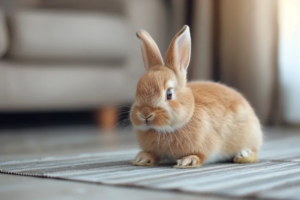
Treatment and Prevention of Infectious Rhinitis in Rabbits
Infectious rhinitis in rabbits is hard to eradicate and easily relapses, so prevention matters most: low density, good ventilation, clean hutches, steady warmth and the Pasteurella vaccine. For outbreaks, florfenicol, tilmicosin or tylosin now work better than the overused penicillin–streptomycin combo.

Common Causes, Symptoms and Treatment of Pet Colds
Pets catch colds easily — usually from chills (season changes, baths, drafts, rain, cold floors) or low resistance. A plain cold can worsen into something serious, so treat it early. Never give human cold medicine (acetaminophen is toxic to dogs and cats); use pet-specific drugs. Learn the warning signs that separate a cold from pneumonia, rhinitis, feline herpesvirus (cat flu) or distemper.

Pros and Cons of Dressing Your Dog
In autumn and winter, owners dress dogs for warmth. Some love it, some look unhappy—understandable, novelty or weirdness. Here are the pros and cons of dog clothing.

How to Tell if a Hamster Is Cold
Hamsters feel the cold far more than cats or dogs, with a comfortable range of 20–25°C. Below 20°C they start to chill; below 10°C they slow down and risk colds or pneumonia; below 5°C they may enter a dangerous pseudo-hibernation. You can tell a hamster is cold by taking its temperature (under 37°C under the arm or thigh), feeling that it is cooler than usual, or spotting shivering, purple-tinged gums, low energy, poor appetite, and nest-building with bedding. If it goes still with a faint heartbeat, act fast to warm it—pseudo-hibernation can be fatal.

What to Do If Your Dog Is Frozen and Cannot Stand?
If a dog is too cold to stand, act fast: move it to warmth, wash with warm (not hot) water to clean snow and restore temperature, dry thoroughly, then wrap in blankets with a hot-water bottle. Offer glucose water by mouth to regain strength. If no improvement, go to the vet.
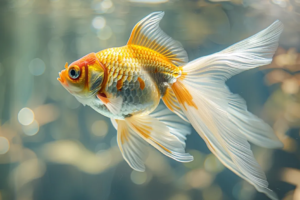
Signs Your Goldfish Is Overfed
Overfed goldfish may rub on the glass, swim tilted, sit on the bottom, or float belly-up, sometimes with white or yellow stool. Ease it with water changes, warmth, current, and oxygen to aid digestion. Overfeeding badly strains the gut and can cause inflammation, so feed small, frequent meals and control portions — usually 1-2 feeds daily, more in hot weather.

Why Is a Golden Retriever’s Nose Losing Its Color?
A fading nose can be genetic, from low light, season, injury, lack of minerals, aging, parasites, or hormones. Most are harmless; add sun, minerals, deworming, or fish oil, and rule out illness if paired with skin signs.

Breeding Rabbits: Reproductive Period and Best Use Years
Quality breeding stock lifts litter rates and kit health. Rabbits breed 4–5 years but peak at 1–2; manage housing (raised, dry, clean), season care, and disease prevention (vaccines, coccidiosis meds, regular disinfection) to get the most from them.