Search Results
500 results for “winter cat”

How to Keep a Puppy Warm in Winter
Young puppies have almost no fat reserve and chill easily, so line the bed with old blankets, keep the sleeping area above 13°C, and block every draft. Sunlight, a little extra fat- and vitamin-A-rich food, and avoiding cold drafts all build cold resistance; first-time owners are better off waiting for warmer weather before bringing a puppy home.
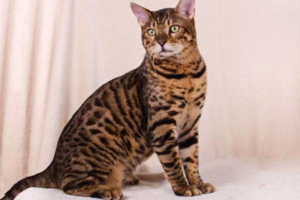
Why Your Cat Sheds So Much in Spring
Heavy spring shedding is usually normal as the winter coat drops, but loss that happens off-season can signal poor nutrition, a hormonal imbalance, or parasites and fungal infection. Daily brushing with a little massage is the best remedy, because healthy skin is what keeps shedding under control.

How Cat Health Relates to Nutrition
Pet cats are fully domesticated and far more delicate than stray cats, so nutrition — not just any kibble — is what keeps them well; spend on prevention through good food rather than on treatment. Favor natural options like raw meat, egg yolk, and goat's milk, use immune boosters such as transfer factor, and skip treat-pouches and gravy toppers that are mostly attractants.

Cat Traits and Personality
Cats are built carnivores — sharp teeth, retractable claws, night vision, and keen hearing make them expert hunters, while instinctive litter-burying and constant self-grooming keep them clean. In temperament they're curious, playful, and affectionate on their own terms, happy to amuse themselves yet quick to bond with a patient owner.

Bathing Your Pet in Autumn and Winter
Bathing pets in cold months calls for restraint — over-washing strips the skin, so space baths two to three weeks apart (cats can go even longer). Use lukewarm water around 35–40°C, a pet-specific shampoo, work from paws to back to head, and dry the coat thoroughly afterward to prevent chills.

Cat Kidney Failure: Symptoms and Treatment
Kidney disease is a leading killer of cats, and renal failure comes in two forms — acute (ARF), often from blockage, toxins like antifreeze, or infection and reversible with fast care, and chronic (CRF), a progressive, permanent decline common in older cats. Management means prescription renal food, ongoing meds, appetite support, and plenty of water; catch it early, because CRF hides until uremia appears.

Cold Symptoms in Siamese Cats
Siamese cats show the usual cold signs — sneezing, runny nose, watery eyes, coughing, lost appetite, and low spirits — and because the breed is extra sensitive to temperature, warming them comes first. Viral or bacterial cases hit harder, so get a vet's diagnosis and pair it with gentle, reassuring care at home.

Common Causes of Diarrhea in Cats
Diarrhea in cats traces to a food switch, the wrong foods (milk, shrimp), parasites, enteritis, or a sudden chill — and the fix starts with a 24-hour fast and close observation. If your cat is bright and eating, watch and wait; if it turns lethargic, stops eating, or shows blood or vomiting, see a vet.

What to Do When a Hairless Cat Catches a Cold
Hairless cats have no fur to insulate them, so they catch chills easily—keep a sick cat warm, hydrated, and well-fed, and use heat-clearing or antiviral medication for cold symptoms. If eye discharge, red eyes, or fever appears, the cause may be feline rhinotracheitis and needs prompt veterinary care. Year-round, hairless cats need indoor living, clothing in winter, regular wiping in summer, and a calm, safe environment.
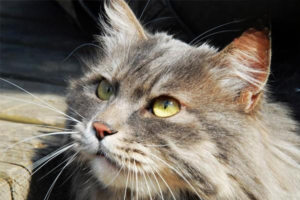
What to Do About Your Cat Shedding
Shedding is usually normal—seasonal coat changes, but also ringworm, too much dietary salt, or poor nutrition. Brush daily through the molting season and give hairball paste, cut salt and human food, feed balanced nutrition, and see a vet for suspected ringworm.