Search Results
500 results for “winter cat”
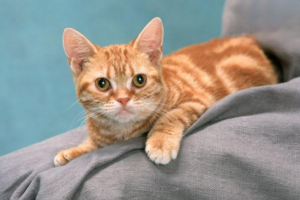
Handy Cat Gear Owners Love
Some simple items make cat life smoother for both of you. A cat tent beats a heavy cage for space and cleaning, a basket or crate often beats a bought bed, a flowing-water fountain encourages drinking, and a spray bottle curbs kitten mischief without harm. Here are a few favorites worth knowing.

How to Prevent Respiratory Infections in Dogs in Winter
Respiratory disease peaks in winter and during seasonal changes, and is the most common problem seen in clinics. By site it splits into upper respiratory tract (URT) and lower respiratory tract (LRT) infection. URT is mostly viral with secondary bacteria and causes nasal discharge, sneezing, and nosebleeds; LRT is mainly bacterial and brings cough and breathing trouble. Diagnosis separates viral from bacterial with blood work and chest X-rays, and treatment uses vaccines, antivirals, and antibiotics such as doxycycline and enrofloxacin, plus cough and fever control.

Why a Dog That Stops Moving in Winter May Have Arthritis
As the deep cold of winter sets in, some owners notice their dog no longer wants to go out or play, blaming the weather, but the real cause may be osteoarthritis. OA affects 30 to 50 percent of dogs and cats and is not only age-related; even young dogs can develop it, with breed, age, sex, weight, and genetics all playing a role. It is a whole-joint disease where cartilage breakdown outpaces repair. Signs include less activity, stiffness after rest, painful swollen joints, and irritability. Management combines weight control, sensible exercise, NSAIDs for pain, and therapy with joint supplements.

Lice on Cats and Dogs: Symptoms, Risks, and Treatment
Lice peak in winter, especially in January, when thick coats let them breed undisturbed. They strike young, stray, and undernourished pets, causing itching, restlessness, hair loss, and in heavy infestations anemia and weakness. Two main types live on pets: blood-feeding sucking lice and coat-chewing lice, each with its own species on dogs and cats. Lice are host-specific and do not infect people, though fleas from pets can. This guide covers the types, the harm they do, how they are diagnosed, and how to treat and prevent them.
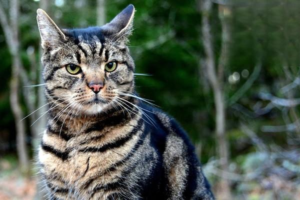
Why Does a Siamese Cat’s Fur Turn Black?
A Siamese cat's coat darkens for a reason that has nothing to do with sunlight: it is driven by temperature. These cats carry a variant of the TYR gene that limits production of the enzyme tyrosinase, which only works properly in cooler areas of the body. As the weather turns cold, the points, face, and ears grow darker, sometimes leaving a near-black 'mask.' The change is largely genetic and cannot be reversed, but keeping the cat warm and limiting iron-rich foods such as liver can slow the process. This article explains the science and what owners can realistically do.
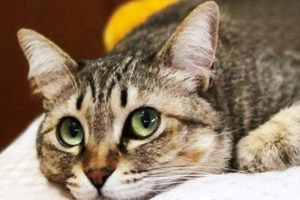
5 Tips for Keeping a Senior Cat Healthy
Five tips for senior cats: twice-yearly exams to catch teeth, arthritis, heart, and kidney issues; watch behavior like appetite, litter, and sleep changes; ease daily life with ramps, non-slip mats, and low-sided litter boxes; switch to senior food to control weight; and give soft, warm, safe bedding, guarding wires from chewing.

Daily Care Tips for Exotic Shorthair Cats
Shedding comes from season change, poor nutrition (often human food lacking protein), or illness. Manage it with regular brushing, which also massages and aids circulation, and proper baths (every 5-7 days in summer, 7-10 in winter); over-bathing harms skin. A grooming glove builds bond and cleans fur.

Leaving Your Cat Home Alone
For a short absence, leave extra food and water, an extra litter box, and a comfortable temperature, and lock away danger zones. For more than two days, arrange a sitter, pet-store visit, or boarding. Return gently, as a cat may grow wary after a stay away.
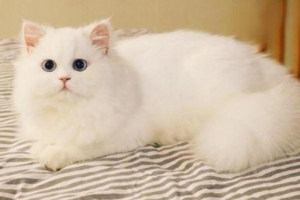
Should You Shave Your Cat’s Fur?
When summer heat arrives or shedding season peaks, many owners wonder whether to shave their cat. In short, healthy cats do not need shaving, and doing it can actually cause harm. Shaving should be reserved for genuine medical needs such as skin disease. This article explains why shaving won't cool your cat and the real risks it brings.

Winter Dog-Care Tips
Winter care matters. (1) Keep exercise: don't lock the dog indoors for fear of cold—it loses freedom and can get depressed or weak and sick. On a sunny afternoon, leash it to the park for a walk and sunlight that kills coat bacteria. (2) Dress smart: cold-prone small breeds (Chihuahua, Teddy) can wear comfy clothes, but Huskies and Goldens generally should not. (3) Diet: skip 'winter tonics' and rich food—a cold gut handles them poorly and they just add burden. Keep the normal feeding plan.