Search Results
500 results for “winter cat”

Why Do Cats Love to Drink Your Foot-Soaking Water? (And Why You Should Stop Them)
Cats are drawn to foot-soaking water mainly because moving water fascinates them, they are endlessly curious, and they seek comfort in their owner's scent. But the water may contain bath additives, essential oils, or bacteria that can upset their stomach. Dump it out right after use to keep them safe.
Top 5 Cat Breeds for Women: Looks and Personality Combined
Five cat breeds suit women especially well: British Shorthair (calm, easy), Siamese (talkative, devoted), American Shorthair (sturdy, low-cost), Sphynx (hairless, allergy-friendly), and Munchkin (short-legged, healing). Match by shedding, care difficulty, and personality — and whichever you pick, commit to a safe home for life.

How to Care for Rabbits in Winter
Winter rabbit care centers on warmth, nutrition, exercise, and health checks. Provide a well-insulated, draft-free hutch with soft bedding, feed extra high-energy food and offer warm water (30-40C), and let them exercise and sunbathe on milder days.

Why Feeding Stray Cats Can Do More Harm Than Good
Feeding strays at a fixed spot can backfire: it draws crowds that may attract cruelty, fuels unneutered breeding, and erodes the cats' wild survival skills. It can also disturb neighbors. Feed irregularly and keep your distance, or better yet adopt or arrange neutering.
How Much Water Does a Cat Need Each Day? Even a Little Less Is a Risk
A cat needs about 40–60 ml of water per kg of body weight daily — roughly 200–300 ml for a 5 kg cat. That total includes water from food: dry food is only 5–10% moisture while wet food and fresh diets are 70–80%. Pregnant/nursing mothers need +50%, kittens (3–6 months) 60–80 ml/kg, and hot, dry, or active conditions call for +20–30%. Chronic shortfalls raise the risk of urinary crystals, kidney disease, and constipation.
What Is a Normal Heart Rate for a Cat?
A healthy adult cat's heart rate is 120–160 beats per minute (kittens up to ~200; seniors and large breeds 140–160). Measure it via the inner foreleg pulse or a stethoscope over the left chest when the cat is calm. Persistently fast, irregular beats with coughing or low exercise tolerance can mean heart disease (e.g., hypertrophic cardiomyopathy); seek a vet if the resting rate stays above 180 or below 100.
Common Causes of Death in Stray Cats
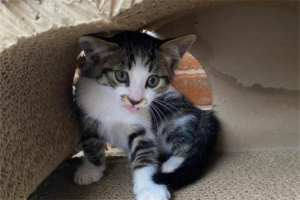
Stray cats die from cars, fights with dogs, starvation, abuse, poisoning, and disease. Harsh living, no steady food, and weak immunity make illness often fatal, especially in winter and for newborn kittens. Don't abandon pets, and don't add to their struggle.
Is Your Cat More Sensitive to Cold or Heat? What Every Owner Should Know
A cat's normal body temperature is 37.5–39.2°C, and its limited sweat glands make it far better at handling cold than heat. Heat stress can set in above 38°C (panting, lethargy, drooling, even collapse), while most cats feel cold below 10°C — kittens, seniors, and short-haired breeds need extra warmth. Keep the home between 16–21°C and warm the bed in winter.

When Can a Cat Freeze to Death from Cold Weather?
A cat with no shelter can freeze to death once temperatures drop below about 15°C (59°F), with kittens, sick, and underweight cats most at risk. In winter, feral cats also face starvation, dehydration, and fatal accidents under parked cars. Simple steps—clean water (with a little brown sugar to slow freezing), food, and a cardboard-box shelter—can save lives.

Do Cats Have a Sense of Time?
Cats do have a sense of time, built from an internal 24-hour body clock and a keen read of daily routines and daylight. They learn your habits — wake-up and meal times — and will wait by the door or wake you for food. Light levels shift their schedule, so they sleep later in winter.