Search Results
142 results for “white cat stool”
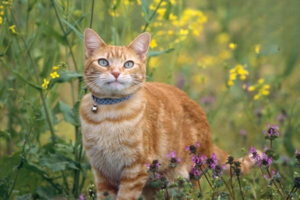
Everyday Flea Prevention and Care for Cat Households
Spring and summer are peak parasite season, and fleas are a common nuisance for cat owners. A cat that scratches constantly may have fleas, mites, allergies, or ringworm — confirm with a Wood's lamp, hair exam, or the classic 'damp tissue test' where flea dirt turns red. These tiny jumpers can produce 250,000 offspring a month, so prevention matters: vacuum cracks and gaps, comb with a flea comb twice weekly, hot-wash bedding, and keep the home dry (fleas like 18–27°C, ~75% humidity). If infected, use monthly topical prevention, treat inflamed skin, and watch for tapeworms passed via fleas.
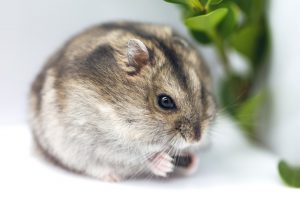
Winter White Dwarf Hamster
The Winter White Dwarf Hamster (Phodopus sungorus), also called the Djungarian hamster or Russian dwarf, is the easiest and tamest of the small hamsters and turns white in winter. A solitary species, it needs a safe cage, a wheel, and a careful diet free of onion, chocolate, and apple seeds. Lifespan 2–3 years.

Chronic Pancreatitis in Dogs and Cats
Chronic pancreatitis is a repeated or persistent pancreatic inflammation marked by recurring abdominal pain, fatty stools, and eventually high blood sugar or diabetes. Management uses a low-fat diet, pain control, and correction of enzyme or sugar imbalances.

Colibacillosis (E. coli Infection) in Dogs, Cats, and Small Animals: Symptoms, Treatment, and Prevention
Colibacillosis is an intestinal infectious disease caused by certain pathogenic serotypes of Escherichia coli and their toxins. It occurs year-round and can affect animals of any age, posing the greatest threat to weaned youngsters.
How many days must a cat survive distemper (panleukopenia) to be safe?
Generally safe after about 7 days. The course is 7-10 days; the danger period is days 3-5 (WBC drops, GI bleeding, vomiting) and it improves after day 7. Vaccinate to prevent.
My cat sneezes, has a runny nose, fever and now bloody diarrhea – what could it be?
Sneezing, fever and bloody diarrhea together strongly suggest feline distemper. Here is why to rush to a vet.

Cat Vomiting: Causes and How to Tell What’s Wrong
Cat vomiting has dozens of causes—from eating too fast and hairballs to infections, toxins like lilies, and organ disease. Telling active vomiting from passive regurgitation, then reading the vomit, frequency, and your cat's energy, narrows the cause before a vet visit.

What to Do When Your Cat Vomits: Emergency Steps
A cat that suddenly vomits usually has one of four problems: dietary indiscretion, digestive upset, hairballs, or an infectious disease. Most cases settle with probiotics or a dewormer, but repeated vomiting or signs of panleukopenia mean a vet visit.

Do Ragdoll Cats Get Diarrhea Easily?
Ragdolls have more sensitive stomachs than the average cat, so diarrhea is common. Causes range from spoiled food and stress to parasites and, in severe cases, panleukopenia—most mild cases settle with brief fasting, but vomiting with blood or lethargy means a vet visit.

Why Is My Dog Pooping White Stools?
White or pale stools in dogs usually signal a digestive problem—most often gastroenteritis, though a grayish-white color can point to a blocked bile duct. Because stool color ranges from harmless to a sign of internal bleeding, a vet check is the safe move before symptoms are confirmed.