Search Results
142 results for “white cat stool”
What Happens If a Border Collie Catches a Virus?
Dogs face distemper, parvo, rabies, and coronavirus. Distemper brings sneezing, cough, and fever; parvo causes vomiting, bloody diarrhea, and low white cells; rabies brings light/water fear and biting; coronavirus causes vomiting and lethargy.
I found my hamster’s tail wet with soft yellowish stool containing white strands — are those worms?
Soft stool with white string-like matter strongly suggests internal parasites. Have a vet do a fecal exam and use the prescribed dewormer. Keep the cage and dishes clean to limit spread.
My puppy, 6 days home, vomited white foam then pale yellow, no stool, given water, later listless, won’t eat or drink; no nearby clinic, ordered pet meds arriving in two days, what do I do?
White-foam vomit with lethargy can be gastroenteritis, poisoning, or infectious disease; unvaccinated puppies are especially at risk for parvovirus or distemper. Withhold food, give probiotics, rest, and see a vet if it worsens.
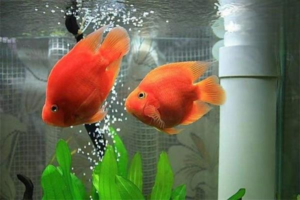
Why Is My Blood Parrot Cichlid Turning White?
A blood parrot cichlid turns white from cold water, poor water quality, or illness such as a cold, enteritis, or ich. Warm the tank to 25–28°C and keep water clean for environmental causes; use the right medication for disease.

What Medicine for a Cat with Tapeworms?
Tapeworms are a common internal parasite in cats, often in those eating raw food or kept in dirty, semi-free environments. Here are the symptoms of feline tapeworm infection and how to treat it with medication.
Vomited three times between 7 and 11 a.m.; the first two were undigested kibble, the third was white like saliva; nothing eaten from 7 to 12, and one loose stool.
Vomiting white foam with undigested kibble suggests indigestion. Fast for half a day, give anti-vomit medicine and probiotics, then feed easily digestible food; if no relief, see a vet.
Dog ate two meals at once on Oct 29, started vomiting and passing blood on Oct 30, got two antiviral shots. Now more energetic but still passing blood and vomiting white mucus.
Blood in the stool and white mucus in the vomit indicate intestinal injury from parvovirus, coronavirus, parasites, or acute hemorrhagic gastroenteritis. Get the dog to a vet for diagnosis; hospitalization is best for parvo or corona.
My 2-month puppy, two vaccines, crate-kept; lively, eating, and pooping. A friend watched it one day (free-roam); after that it vomited, normal stools. On the 10th it vomited everything eaten, saw a vet who said indigestion, gave anti-emetic and anti-inflammatory; on the 11th still vomiting, went again.
The report shows positive canine coronavirus antigen, high white cells/neutrophils, high CRP (clear inflammation), plus kidney injury, dehydration, and electrolyte imbalance. Vomiting is likely from coronavirus; treat the primary disease antivirally, correct fluids/electrolytes, antibiotics, and anti-emetics. Follow the vet closely.
There are white wriggling things under my dog’s rear. I dewormed it yesterday but they’re still there today, and now I’m afraid to give more dewormer. What should I do?!
Based on your description, it is normal for your dog to still be passing worms the day after deworming. When a dog infected with internal parasites takes a deworming medication, it will gradually expel eggs and worm bodies in its stool, usually clearing them within 3-7 days. If worms are still being passed a week after treatment, or if large numbers of eggs or worms appear, the infection is more serious and a second round of deworming is needed.
It hasn’t eaten for three days and won’t even take force-feeding; I thought it was gastroenteritis and gave medicine but it vomited it up. On the fourth day the hospital confirmed feline panleukopenia (distemper), and it’s had IV fluids for four days. White blood cells went 4.7 to 3.8 to 5.1 to 7.9, FPV-AG now 38.18 ug/ml. It can eat now and energy is better — does it still need treatment, or can we stop and let it recover slowly?
Feline panleukopenia is usually dangerous, with a course of about 7–10 days; active treatment and monitoring are advised, and stopping medication should follow the vet's instructions — never stop on your own. Continue until energy, appetite, and stool are normal, then recheck WBC, SAA, and antigen; after they return to normal ranges, some antivirals and fluids can be tapered, but gut repair needs longer care.