Search Results
3539 results for “when to take cat to vet”

Why Cats Hate Baths and What to Do
Cats resist baths because their desert ancestors relied on light, dry fur for speed and warmth — wet fur feels heavy and cold, a fear baked into their genes. Ease young cats in gradually after vaccines, use dry shampoo for the terrified, or let a groomer handle it, and watch for post-bath illness signs.

How Dangerous Is Urinary Blockage in Male Cats?
Urinary blockage is one of the most common — and most recurring — emergencies in male cats, and if untreated it damages the kidneys and can kill. Watch for frequent, strained, bloody, or absent urination, and prevent it with water, the right diet, low stress, and exercise.

What to Know Before Buying a Pet Cat
Before buying a cat, confirm its vaccine history and get the record book so you can keep shots current. Buy from a proper shop rather than street sellers, choose a 2–3 month-old kitten still with its mother's immunity, and pick a naturally good-tempered cat that tolerates handling.

Is Cat Diarrhea a Sign of Illness? How to Treat It
Cat diarrhea isn't always serious, but it can signal gut infection, plant poisoning (lilies are deadly), parasites, or even panleukopenia. Stabilize the gut, keep food consistent, maintain parasite control, and treat any suspected poisoning as an emergency.

Cat Diabetes? Owners Need to Take a Hard Look
Feline diabetes is usually driven by overfeeding treats and obesity, with type II (insulin resistance) most common. Watch for ravenous appetite with weight loss and excess drinking/urinating; it's managed, not cured, through high-protein low-carb food, measured meals, and insulin. Neutered males over 8 are most at risk.
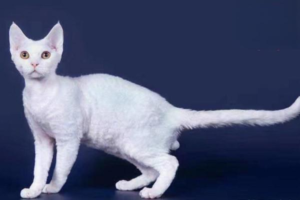
Cold Symptoms and Fever in Sphynx (Hairless) Cats
Sphynx (hairless) cats lack a fur coat and lose heat far more easily, so they catch colds more readily than other breeds. Mild cases with a low fever under 39.5°C can often recover at home with warmth and supportive care, but a cat that won't eat, grows weak, or fails to improve needs prompt veterinary attention.

How Long Does Cat Gastroenteritis Take to Heal on Its Own?
Chronic gastroenteritis — from long-term poor eating habits — can improve over 1–2 months of careful feeding, but acute gastroenteritis is dangerous and tends only to worsen, with a high death rate. At the first sign of vomiting or diarrhea, get the cat to a vet rather than dosing it at home.

What to Do When Feline Herpesvirus (Cat Rhinotracheitis) Causes a High Fever
Fever from feline herpesvirus (cat rhinotracheitis) keeps returning unless the underlying infection is controlled. Bring the temperature down fast — vet injection or pet-formulated flunixin meglumine at home — then fight the virus with lysine, eye drops for keratitis, and strong nutritional support.

What to Do When a Cat Has Ringworm
Ringworm is a fungal skin infection that rarely clears on its own and needs about a month of treatment plus isolation to stop it spreading to other pets and people. Clip and disinfect the patches, apply spray and ointment, boost nutrition and vitamin B, and use sunlight to help kill the fungus.

What Causes Gingivitis in Cats?
Feline gingivitis usually starts with poor oral hygiene but can also trace to nutritional gaps, a wet or sugary diet, oral injury, calicivirus or herpesvirus infection, or systemic illness such as diabetes and kidney disease. Signs include bleeding gums, bad breath, and redness or swelling; a vet visit, professional cleaning, and antibiotics treat it, while regular brushing is the best prevention.