Search Results
3535 results for “when to take cat to vet”

Cat Kidney Failure: Symptoms and Treatment
Kidney disease is a leading killer of cats, and renal failure comes in two forms — acute (ARF), often from blockage, toxins like antifreeze, or infection and reversible with fast care, and chronic (CRF), a progressive, permanent decline common in older cats. Management means prescription renal food, ongoing meds, appetite support, and plenty of water; catch it early, because CRF hides until uremia appears.

Will a Feverish Cat Get Better on Its Own?
A cat rarely shakes off a fever by itself, because fever means inflammation is already underway — a low-grade temp may sometimes settle, but a high one usually needs hands-on cooling and, often, medication. Start with cooling (alcohol or cool water on paw pads, ear tips, and belly) and fluids; only move to drugs or shots once a vet has made a diagnosis.
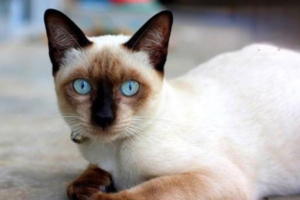
Cold Symptoms in Siamese Cats
Siamese cats show the usual cold signs — sneezing, runny nose, watery eyes, coughing, lost appetite, and low spirits — and because the breed is extra sensitive to temperature, warming them comes first. Viral or bacterial cases hit harder, so get a vet's diagnosis and pair it with gentle, reassuring care at home.

What to Do When a Hairless Cat Catches a Cold
Hairless cats have no fur to insulate them, so they catch chills easily—keep a sick cat warm, hydrated, and well-fed, and use heat-clearing or antiviral medication for cold symptoms. If eye discharge, red eyes, or fever appears, the cause may be feline rhinotracheitis and needs prompt veterinary care. Year-round, hairless cats need indoor living, clothing in winter, regular wiping in summer, and a calm, safe environment.

Signs That a Cat Is Stressed
Cats are naturally timid and easily stressed, and chronic stress can spiral into depression, so recognizing the signs matters. A stressed cat may crouch and pant, lash out, mark territory with urine, or over-groom to the point of bald patches—eased by patience, gentle handling, and food-based coaxing.
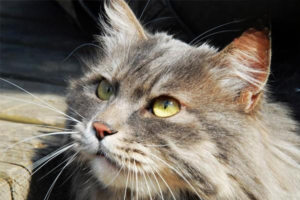
What to Do About Your Cat Shedding
Shedding is usually normal—seasonal coat changes, but also ringworm, too much dietary salt, or poor nutrition. Brush daily through the molting season and give hairball paste, cut salt and human food, feed balanced nutrition, and see a vet for suspected ringworm.

Why Cats Hate Baths and What to Do
Cats resist baths because their desert ancestors relied on light, dry fur for speed and warmth — wet fur feels heavy and cold, a fear baked into their genes. Ease young cats in gradually after vaccines, use dry shampoo for the terrified, or let a groomer handle it, and watch for post-bath illness signs.

How Dangerous Is Urinary Blockage in Male Cats?
Urinary blockage is one of the most common — and most recurring — emergencies in male cats, and if untreated it damages the kidneys and can kill. Watch for frequent, strained, bloody, or absent urination, and prevent it with water, the right diet, low stress, and exercise.

What to Know Before Buying a Pet Cat
Before buying a cat, confirm its vaccine history and get the record book so you can keep shots current. Buy from a proper shop rather than street sellers, choose a 2–3 month-old kitten still with its mother's immunity, and pick a naturally good-tempered cat that tolerates handling.
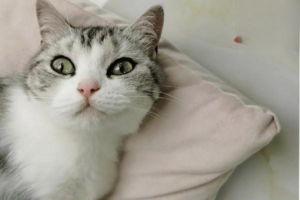
Is Cat Diarrhea a Sign of Illness? How to Treat It
Cat diarrhea isn't always serious, but it can signal gut infection, plant poisoning (lilies are deadly), parasites, or even panleukopenia. Stabilize the gut, keep food consistent, maintain parasite control, and treat any suspected poisoning as an emergency.