Search Results
3544 results for “when to take cat to vet”
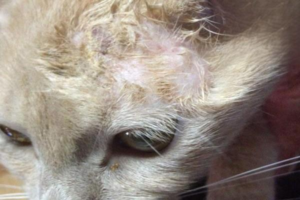
How to Make Ringworm (Cat Fungus) Heal Faster
Cat ringworm is a common fungal skin disease, usually from poor grooming and a dirty environment, causing intense itching and patchy hair loss. Treatment combines shaving and medicated baths with topical antifungals and oral medication for faster recovery. Prevention hinges on cleanliness, sunlight, good nutrition, and not over-bathing.

What to Do When Your Cat’s Eye Is Inflamed
An inflamed cat eye brings constant tearing, swelling, redness, and more discharge. Wipe gently with a warm cotton ball and use a cat-specific eye drop for mild cases, but never human drops. If discharge seals the eye shut or an injury is suspected, see a vet — and keep the cat out of bright light.

Symptoms of Upper Respiratory Infection in Cats
Feline upper respiratory infection (URI) hits the nose and throat and shows as fever, sneezing, watery eyes, runny nose, red eyes, cough, hoarse voice, poor appetite, and sleepiness. Most cases are viral (herpes or calicivirus) and need antibiotics plus vet care; vaccination is the best prevention, especially for kittens.

How Long Does Ringworm Take to Heal After Treatment?
Ringworm is a fungal skin infection that usually clears with proper treatment in about a month, though full hair regrowth can take a few months. Recovery time depends on how far it spread, the cat's immunity, the medication used, and whether an Elizabethan collar is worn consistently. Prevention through good nutrition, vitamin B, and a dry, clean environment matters more than treatment.

Black Specks in Your Cat’s Fur: What They Mean
Tiny black specks hidden in your cat's coat are most often flea dirt, but they can also signal ringworm or another external parasite. The quick paper test — a damp tissue turning reddish-brown — confirms flea waste. Routine parasite control and a clean, dry environment are the best defenses.

Early Signs of Cat Rhinotracheitis (Feline Herpesvirus)
Cat rhinotracheitis, caused by feline herpesvirus-1, is a highly contagious respiratory infection that spreads quickly between cats. Early signs look a lot like a cold — watery eyes, sneezing, nasal discharge, low energy, and poor appetite — but left untreated it can turn serious and even fatal. Isolating a sick cat and seeing a vet promptly are the most important first steps.

What to Give a Cat for Fast Relief from Diarrhea
Kitten diarrhea usually traces back to the gut—a bad food switch, a chill, or feline panleukopenia. Matching the cause to the response matters: probiotics and warmth fix many mild cases, while the viral form needs urgent veterinary care with fluids and antibiotics.

What to Do When Your Cat Sneezes and Has a Runny Nose
A cat cold usually starts from a chill, and if it drags on for over a week it needs real attention—left alone it can lead to coughing, dehydration, or low fever. Check the temperature, keep the cat warm, rule out serious illness, and support recovery with food and fluids.
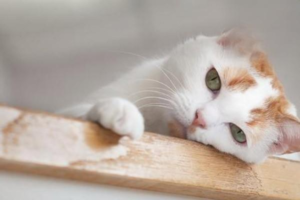
Mild Cat Cold vs. Feline Herpesvirus (Cat Flu)
A sneezing, runny-nosed kitten usually has either a mild cold or feline herpesvirus (cat flu). The mild version clears with warmth and rest; the viral form brings lethargy, poor appetite, and eye discharge and needs isolation plus veterinary care. Telling them apart decides how quickly your cat recovers.

What to Give a Cat With Diarrhea
Before reaching for any medication, figure out why your cat has diarrhea—diet change, gastritis, or parasites each call for a different response. Probiotics and a bland diet resolve many mild cases, while parasites need a vet-confirmed dewormer. Knowing the cause is what lets you treat it correctly.