Search Results
3544 results for “when to take cat to vet”

Cat Vomiting: Causes and How to Tell What’s Wrong
Cat vomiting has dozens of causes—from eating too fast and hairballs to infections, toxins like lilies, and organ disease. Telling active vomiting from passive regurgitation, then reading the vomit, frequency, and your cat's energy, narrows the cause before a vet visit.

How to Feed a Cat That Refuses Kibble
A cat that eats only canned food is usually either fussy or unwell. Stop offering cans and stick to kibble to break picky habits; if refusal comes with lethargy or other signs, see a vet, since illness can make the more palatable wet food the only thing a cat will take.

Do Ragdoll Cats Get Diarrhea Easily?
Ragdolls have more sensitive stomachs than the average cat, so diarrhea is common. Causes range from spoiled food and stress to parasites and, in severe cases, panleukopenia—most mild cases settle with brief fasting, but vomiting with blood or lethargy means a vet visit.
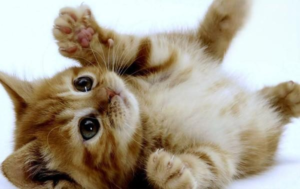
How to Remove Fleas From a 1.5-Month-Old Cat
A young kitten's fleas are best handled with a vet-approved topical drop, a fine comb, and a clean home. Disinfect the environment and keep up prevention so they do not return.
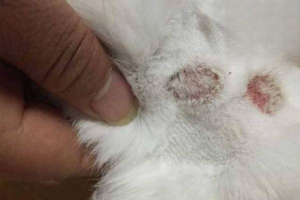
Cat Ringworm: Symptoms and Home Care
Ringworm strikes when a cat's immunity dips, breaking hairs and leaving ring-shaped bare patches. It can pass to people, so isolate the cat, disinfect with iodine, and use a vet-approved antifungal spray plus vitamin B.

How to Lower Your Cat’s Risk of Gastroenteritis
Cat gastroenteritis brings vomiting, diarrhea, and lethargy, and the causing virus can linger in the environment for a year. Vaccination plus careful diet and hygiene is the strongest defense.
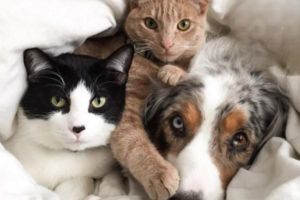
What to Do After Adopting a Cat or Dog
Adopting gives a stray a home and saves the cost of buying. Once you bring one home, the first steps are a full health check, deworming, good nutrition, and gut care, since strays arrive with unknown histories. Commit for life rather than on a whim.

What to Do When Your Cat Can’t Urinate
When a cat strains without producing urine, the cause can be water, food, or a health problem. Low intake, salty meals, or a urinary blockage all play a role. Rule out the simple fixes first, then see a vet if nothing changes.
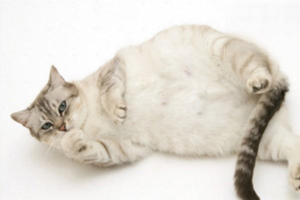
Helping Your Pregnant Cat Through a Safe Pregnancy
Many owners have never dealt with a pregnancy, so a pregnant cat can be puzzling. The essentials are steady calcium, a quiet space, gentle movement, careful handling, and balanced nutrition. Getting these right helps the queen and her kittens stay healthy.
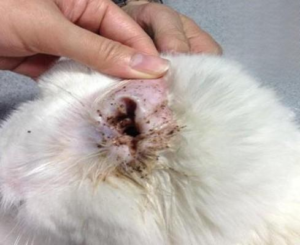
Cat Ear Mites
Ear mites are a common cat skin problem, often triggered by environment or outside factors. They leave greasy, smelly, itchy debris in the ear that needs prompt cleaning and treatment. Regular ear and bedding hygiene keeps them from coming back.