Search Results
208 results for “wet tail”
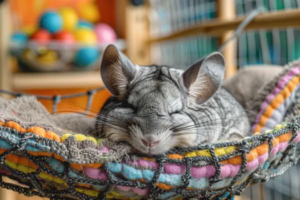
What Is Hamster Wet Tail Disease?
Wet tail, also called proliferative ileitis, is a serious intestinal disease in hamsters, common in young ones and often fatal. Here is what you need to know about it.

How to Tell Heatstroke and Wet Tail Apart in Hamsters
Both wet tail and heatstroke are serious and can be fatal in hamsters, and their symptoms look alike, so owners often mix them up and delay treatment. Here is how to tell the two apart.
How does a hamster get wet tail?
Wet tail is common, from high humidity breeding bacteria, dirty water or food causing diarrhea, unclean bedding raising humidity, and stress weakening immunity.
My hamster has wet tail, I pressed its heart, and now it hiccups, convulses, and lies limp
Wet tail can quickly cause dangerous dehydration and shock in hamsters. Get emergency vet care and keep the hamster warm with glucose water.
What does wet tail in a hamster look like?
Wet tail shows as damp fur at the tail, dull eyes and frequent diarrhea, linked to environment, gastroenteritis, colds or stress, common in 3 to 6 week olds and contagious. Severe cases may die within 2 days, so see a vet. If not, clean the cage, dry the tail, give glucose and probiotics.
My Syrian Hamster Shows Signs of Wet Tail – What Should I Do?
Wet tail causes smelly diarrhea, hunched posture, and dehydration, often fatal within a week. Seek urgent vet care; at home, isolate, disinfect, and give glucose water and probiotics.

What Causes Wet Tail in Hamsters?
Wet tail in hamsters comes from dirty water, poor cage hygiene, stress and anxiety, or disease such as enteritis and parasites. The clearest sign is a wet tail plus hair loss, redness, and itching; untreated, it can ulcerate. Treatment targets the cause—warmth and cold medicine, easily digested food and probiotics for gut issues, deworming for parasites—and a clean, dry, roomy home prevents it.
What to do about a hamster’s wet tail?
If a hamster has wet tail, find the specific cause first, as it can stem from colds, gastroenteritis, kidney/liver disease, tumors, or parasites, all of which cause secondary wet tail. Symptoms include watery, foul-smelling, grayish-white diarrhea, sometimes with blood. Seek veterinary diagnosis and treatment promptly, using oral medication and anti-diarrhea, flora-regulating drugs per the vet; treat without delay.
Can hamster wet tail heal on its own?
Wet tail in hamsters usually doesn't heal on its own and can cause dehydration or death. Causes include diet, bacterial enteritis, or viral infection. See a vet, correct dehydration with electrolytes, and use anti-diarrhea medicine like smectite.
My hamster can’t open its eyes, something seems crusted over, and its tail area is wet.
Based on your description, the hamster likely has wet tail—a bacterial/parasitic/fungal gut disease with severe diarrhea, wet dirty tail, lethargy, weight loss, low temp, tremors. Triggered by stress or diet changes. Treat with glucose/electrolyte solution and antibiotics like neomycin or gentamicin.