Search Results
559 results for “wet food”
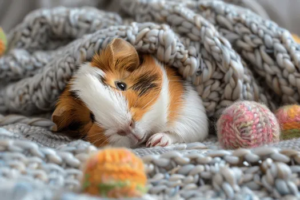
Signs of Internal Imbalance (“Heat”) in Golden Hamsters and What to Do
In small-pet care, "heat" describes a common imbalance in golden hamsters caused mainly by too many fatty, high-calorie treats like seeds, peanuts, and bread. It is not dangerous on its own, but it makes the hamster uncomfortable and can lead to constipation and obesity. The signs range from eye discharge to, in severe cases, prolapse and nosebleeds. The fix is dietary: cut the rich snacks, soften the food, and add a little cooling herb to the water. This guide explains the causes, symptoms, and treatment.

6 Common Cat Diseases and How to Prevent Them
Cats hide pain well and can't tell you what's wrong, so owners need a basic grasp of common feline illnesses. Beyond regular checkups and vaccines, know the warning signs of the six frequent problems: urinary tract disease, respiratory infection, periodontal disease, parasites, ringworm, and ear mites. This guide summarizes each condition's symptoms and the everyday prevention that matters most—more water, less stress, dental care, deworming, and a clean, dry environment.

4 Things You’re Missing If Your Dog Has Bad Breath
A dog's bad breath is not normal—it often means disease. Leftover food builds bacteria that cause tartar, periodontal disease, and can spread to the liver, heart, and kidneys. Keep the mouth healthy with four habits: brush one to two times a week using pet toothpaste (human toothpaste can poison if swallowed; water and a pet brush work too); check teeth regularly and see a vet for serious issues; give chew toys and dental treats to wear teeth; and feed a balanced, mostly dry diet with supplements for micronutrients (deficiency causes mouth ulcers). About 80% of dogs without dental care develop oral disease by age three—prevent early.

What to Prepare When You Bring a Cat Home
Bringing a cat home means stocking up on a few essentials first. You'll need a litter box (open or semi-enclosed) with tofu litter and a scoop, plus ceramic or stainless steel food and water bowls and at least two water stations. For food, a quality dry kibble, occasional boiled chicken or beef, and a weekly wet-food meal cover the basics, with treats kept to a minimum. Scratching posts and teaser toys keep your cat active and protect your furniture, while nail clippers, cat-safe shampoo, a carrier, and a pet disinfectant handle grooming and outings. Finally, hairball remedies and a regular parasite-control plan keep your new companion healthy.

How Many Meals a Day Should Your Dog Eat, and How Much?
Feeding rhythm matters as much as the food itself. Puppies under a year need four down to three small meals a day to fuel growth without overloading the gut; adults do well on two; seniors return to three. Adjust for obesity, high activity, or sensitive stomachs. Portion size follows the bag's guide, then fine-tunes with stool quality, body size, and exercise. Match the plan to the dog, and you've got it right.

Is a Cat in Heat in Pain When It Won’t Stop Meowing? How to Soothe It
A cat that yowls through heat is genuinely uncomfortable, though not in physical pain—hormone swings bring anxiety and a strong drive to mate, and the loud calls are an instinct to attract distant partners. You can't switch it off, but play, pheromones, warmth, and a calm dim space ease the distress. Spaying is the only lasting cure.
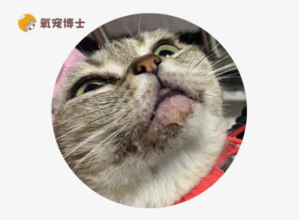
Why Do Cats Get Stomatitis?
Feline stomatitis is a painful, chronic, immune-driven inflammation of the mouth—not just sore gums. Calicivirus and autoimmune disease are the usual triggers, while other viruses, plaque, breed, stress, and poor nutrition add risk. Because it hurts to eat, cats waste away, so finding the cause matters; for stubborn cases, full-mouth extraction often brings lasting relief.

Why Does Dog Poop Start Dry Then Turn Loose?
When a dog's stool is dry at the start and loose at the end, it means the gut absorbed water unevenly: the first part sat long and dried out, while the last part moved through too fast to dry. Common, mild causes are diet change, holding stool too long, stress, or gut-flora imbalance. Persistent cases or those with blood, vomiting, or pain can signal megacolon, colitis, or other illness and need a vet.

The Dangers of Dental Tartar in Dogs
Dog tartar is hard buildup of bacteria and food debris along the gumline. Left alone it drives gingivitis, bad breath, loose or lost teeth, mouth infection, periodontal disease, respiratory infection, and even whole-body issues like heart, kidney, and diabetes risk. Prevention means regular brushing, dry food over wet, and limiting sugar and starch. Severe cases need a professional dental cleaning, and badly loose teeth may require extraction.

How to Treat Black Chin (Feline Acne) in Cats
Cat chin acne (feline acne) is a skin condition in which hair follicles become clogged and inflamed, producing blackheads and sometimes infected bumps on the chin. Most mild cases improve with regular gentle cleaning, while secondary infections need topical or oral medication.