Search Results
559 results for “wet food”
Signs Your Dog Is Getting Old
A dog's life spans only a little over a decade, and aging creeps in through everyday details rather than all at once. The earliest changes are white muzzles and cloudy eyes, followed by dental trouble, shifting personality, and less stamina. Because organ function declines with age, seniors also show digestive and urinary changes. Spotting these signs early lets you give your older dog the comfort and care they deserve.
Why Dogs Drink Less in Cold Weather (and Why It Matters)
As temperatures drop, many dogs drink far less, but winter dehydration is no minor issue — it can concentrate urine, form mineral crystals, and lead to urinary tract infections, stones, or even blockages. Low water also slows digestion and causes constipation, strains the kidneys, and thickens the blood, burdening the heart. A healthy adult dog needs 40–60 ml of water per kg daily, and no less than 30 ml/kg in winter. To encourage drinking, offer warm water (28–40°C), add a splash of something tasty like broth, place bowls around the home, use a flowing fountain, and boost activity on sunny days so your dog drinks after exercise.
How to Treat a Cat’s Infected, Pus-Filled Wound
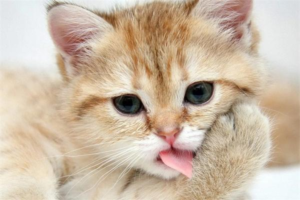
A cat wound that is oozing pus needs prompt care to stop the infection from spreading. Clean it with saline, apply antiseptic such as iodine or hydrogen peroxide, and use an antibiotic spray or ointment; severe cases need oral or injected antibiotics from a veterinarian. Keep the wound dry, fit an Elizabethan collar to stop licking, and add protein-rich food. If it worsens or a fever appears, seek veterinary treatment such as debridement and sutures.

Caring for Your Cat During Spring Festival
For the holiday, plan your cat's care three ways. Staying home: stock ample dry food, extra water (evaporation and spills happen) and thick cat litter - one cat wants about three boxes; lay waterproof pads on sofa and bed in case of stress-peeing. Road trip: use a spacious airline crate (not a cat bag for long drives), let the cat adapt to it beforehand with treats and a blanket that release calming pheromones, pack pee pads and wipes, shield shy cats from view, and drive gently since cats get carsick. Boarding: ensure vaccines are current, pick a cat-dog separated, larger space, bring familiar items and pheromone gear. Not all cats suit this - under-six-month kittens, medicated or chronic cats, pregnant or post-birth cats need special care. After return, wait 2-3 days before bathing, and watch for blockage (a post-holiday high-risk period).

When Cat Peeing Around the House Means a Blockage
A cat suddenly urinating in odd places can signal a dangerous urinary blockage. Warning signs: pink or clear urine, frequent attempts, straining, blood, low meowing in the box, over-grooming the genitals, a sensitive belly, and only drops when the bladder is pressed. Blockage means urine output stops - under 1 mg/kg/hr is oliguria, none is a blockage. Causes: urethral or bladder stones (acid urine favors calcium oxalate, alkaline favors struvite), lower urinary tract syndrome (bacterial cystitis, urethral plugs that can kill in 1-2 days, or idiopathic cystitis that self-heals in 7-14 days if not blocked). A full blockage needs immediate vet catheterization - over 24 hours causes acute kidney failure. Prevent with more water, fewer mineral treats like dried fish, clean litter, and less stress.

How to Change Your Cat’s Diet
Cats under four months rarely refuse meat and need no transition, but older cats can be stubborn, so patience wins. The biggest trap is the dry-food-only cat, at high risk of kidney and urinary disease. This guide covers moving to cans, then to raw, with toppers that tempt, and why soaking kibble is risky.

What Causes Cat Acne?
Cat acne, often called cat chin acne, is a common skin condition with no fully clear cause, though follicle inflammation and bacterial infection are the main suspects. Cats that eat wet or greasy food are more prone, and flat-faced breeds are at higher risk. It appears on the chin, neck, and face, and if the face is not kept clean, food residue builds up and clogs follicles. Left untreated it worsens. Treatment controls symptoms and removes the cause: ease stress, use topical and oral antibiotics as needed, keep the skin clean, and cut fat and carbs while adding vitamins A and E. Prevention focuses on hygiene and diet.

What to Know Before and After Spaying or Neutering Your Pet
Spay and neuter surgery is routine but still deserves careful preparation. Picking a trusted clinic, fasting beforehand, and running pre-op tests keep anesthesia safe, while post-op care around wounds, food, and an Elizabethan collar protects a smooth recovery. This guide walks owners through the whole journey, from booking to stitch removal.

When to Start Brushing Your Cat’s Teeth
Bad breath or appetite loss can signal dental trouble, so build brushing habits early. A cat's baby teeth come in around three to four months and are replaced by five months; you can start brushing at about three months, slowly. Use pet toothbrush and paste only, brush just ten-odd seconds a few times weekly, and reward cooperation with freeze-dried treats.

Caring for a Cat With a Delicate Gut
A fragile gut shows as diarrhea, constipation, bad breath, vomiting, or poor appetite—if two or more last over three days, take it seriously. Causes range from stress (moving, sudden food changes, strangers) and seasonal chills to lactose intolerance, gastritis, and parasites or viruses (including panleukopenia). Respond by deworming if overdue, rushing to a vet if fever swings with sudden vomiting (could be distemper), or giving cat probiotics and a plain, additive-free, moist, nutrient-rich diet while boosting water and vitamins.