Search Results
373 results for “weight standard”

Halfmoon Betta
The Halfmoon Betta is a tail-form of Betta splendens whose caudal fin spreads to a full 180 degrees (or more, in the prized Over-Halfmoon type), resembling a half moon. A labyrinth fish that breathes air at the surface, it is easy to keep but must be housed alone or with peaceful tankmates because males fight.

Koi
Koi (Cyprinus carpio) are ornamental carp kept worldwide as pond fish and symbols of good fortune. Hardy and long-lived — often 60 to 70 years — they are relatively easy to keep, but steady water quality, correct temperature, and a good diet are what keep their colors vivid and their health strong.

Arowana
Arowana are large freshwater bony-tongue fish (family Osteoglossidae) prized worldwide as ornamental and feng shui fish. This guide covers their varieties, appearance, care, ideal environment, and feeding.

Home’s Hinge-back Tortoise
The Home's Hinge-back Tortoise (Kinixys homeana) is a shy, high-difficulty African tortoise known for its hinged rear carapace and a 90-degree rear shell drop. It prefers warm, humid conditions with ample shade and a varied omnivorous diet, but is prone to stress-induced sudden death, so it is not recommended for beginners.

Black Wood Turtle
The Black Wood Turtle (Rhinoclemmys funerea) is a striking freshwater turtle with a black or dark brown carapace and yellow-edged plastron, native from Honduras south to the Panama Canal. Cold-tolerant and highly adaptable, it can be kept aquatic or terrestrial, though males should be housed separately to avoid fighting.

East African Black Mud Turtle
The East African Black Mud Turtle is scarce in the wild and thus rarely kept in captivity; in China it is uncommon, though other side-neck species are seen more often, indicating its rarity and need for protection. It eats both plants and animals, living in shallow water and occasionally climbing onto land.

Adanson’s Mud Turtle
The Adanson's Mud Turtle is a small, seldom-seen aquatic turtle from central Africa, a minor member of the African side-neck genus. Although not internationally listed as endangered, it is rarely traded.

FlemishGiant
The Flemish Giant is the largest domesticated rabbit breed in the world, originally from Belgium and recognized by the American Rabbit Breeders Association in seven coat colors. A gentle, docile, and hearty-eater companion that needs generous space and meticulous hygiene, it weighs 6–13 kg and lives around 5–8 years.
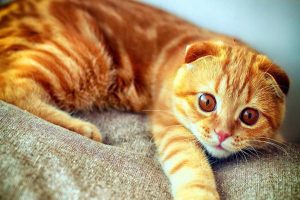
Leiomyomas in Dogs and Cats
Leiomyomas are benign smooth-muscle tumors that can arise wherever smooth muscle exists, such as the uterus, stomach, intestine, and blood-vessel walls. Dogs are affected more often than cats. Surgical removal is the usual treatment, and follow-up care prevents spread.

Osteosarcomas in Dogs and Cats
Osteosarcoma is a malignant bone tumor from abnormal osteoblasts, most common in large and giant dog breeds. The main sign is lameness, with swelling, pain, and possible pathological fracture. Early limb amputation plus anti-cancer medication is standard, but the outlook is poor.