Search Results
373 results for “weight standard”

How to Choose a Safe Cat CoQ10 Supplement
Feline heart disease is more common and more silent than many owners realize: hypertrophic cardiomyopathy affects roughly 11–16% of cats overall and a much higher share of high-risk breeds, often with no obvious signs until heart failure is already underway. CoQ10 supports heart-cell energy and is a popular preventive, but the market is uneven. This guide sets out three practical safety standards and the common pitfalls to avoid when choosing a product.

CoQ10 for Pets: What It Is and How to Choose a Quality Supplement
Coenzyme Q10 (CoQ10) is a fat-soluble compound that helps cells produce energy, and it is concentrated in the heart, kidneys, liver, and brain. As cats and dogs age, their ability to make CoQ10 declines, which is why it is often discussed as a heart-support supplement. This guide explains what CoQ10 does, which pets are most likely to benefit, how to judge a supplement's real quality, and practical feeding tips — so you can make an informed choice instead of relying on marketing claims.

How to Choose a Dewormer for Dogs
Most dogs meet parasites at least once, and fleas, roundworms, and heartworm are among the most common. Deworming is not a gimmick, yet three myths—indoor dogs are safe, price equals quality, one dose lasts half a year—lead owners astray. This guide covers the three standards for choosing (spectrum, safety, value), the Collie caution with ivermectin-class drugs, and a sensible schedule: monthly external and combined coverage, internal every three months for adults, and vet-guided care for puppies, pregnant, or sick dogs. Low price need not mean low efficacy.
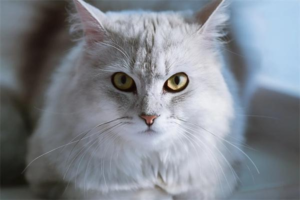
Why Your Cat Eats But Stays Thin
A cat that eats plenty yet stays thin can point to a weak digestive system, high activity, picky eating, illness, or genetics. If the cat is not naturally slender but eats well without gaining weight, a vet check is wise to rule out problems and adjust diet. Some cats are simply born lean and stay healthy that way, which is no cause for worry. Either way, forcing extra weight is unhealthy.
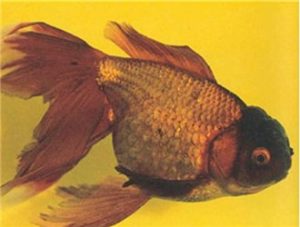
Brown Oranda with Curled Opercula
In goldfish, curled opercula is usually a disease sign, but the Brown Oranda with Curled Opercula has gill covers that grow everted from inside out like a wound - a hereditary variation.

Paucis Dwarf Cichlid
The Paucis dwarf cichlid was earlier called the blue lyretail dwarf cichlid, later renamed from a foreign translation. Males show a bright pale-blue metallic sheen, very pretty, but both keeping and breeding are very hard.
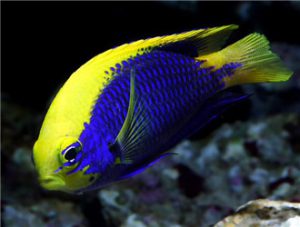
Starck’s Demoiselle
The Starck's demoiselle has a very distinctive look: its head and sides are vivid blue, and the dorsal, pectoral, and caudal fins are yellow. In the wild it lives near rock outcrops or crevices on the outer slopes of sandy-bottom channels.

Rose Red Dragon-eye with Tiger-head
The rose red tiger-head dragon-eye is a goldfish variety, so its care and habits are much like other goldfish. It has a very gentle temperament and weak territoriality, and can be mixed with other equally mild ornamental fish.

Fish Eye Agate
Fish eye agate is a variety of goldfish with a silvery-white body that shimmers as it swims. It is named for its eyes, one half red and glowing, the other white like agate.

Tiger Shovelnose Catfish
The Tiger Shovelnose Catfish, also known as the shovelnose catfish, duckbill shark or tiger porthole catfish, is native mainly to the Amazon River basin of South America. It is one of the most popular of the large catfish species among aquarists.