Search Results
373 results for “weight standard”

How Much Should a Cat Eat Each Day?
Feeding style and portion size both matter. Free feeding suits a cat's natural graze-and-return instinct and saves effort, but risks overeating and stale food; timed, measured meals (ideally 3–4 times a day via an automatic feeder) make it easy to control intake and spot changes. To calculate portions, use the weight method for raw/fresh food and the calorie method for kibble: a 5 kg adult cat needing 70 kcal/kg takes about 87.5 g of a 400 kcal/100 g food. Kittens need the most energy per kg, adults less, and neutered cats least — but always adjust to your own cat's condition.
Why Do Cat Freeze-Dried Food Prices Vary by Up to 10x?
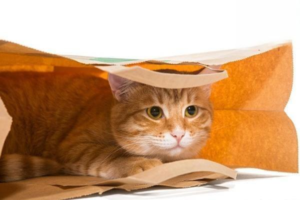
Freeze-dried cat food can range from under 90 yuan per kilogram to more than 800 yuan per kilogram — a tenfold gap that confuses many owners. The difference comes down to raw-material quality, the freeze-drying process, sterilization, logistics, and brand markup. Premium products use high-grade meat and true vacuum freeze-drying at −30 to −40°C, while cheaper ones may add starch, reach only −20°C, or simply bake the meat dry. Because freeze-drying dehydrates but does not sterilize, proper irradiation and sealed individual packaging matter for safety. When choosing, favor genuine freeze-dried food with intact color and shape, sealed single-serving packs, and a price around 90 yuan/kg or above.
The Samoyed: A ‘Smiling Angel’—but Think Twice Before You Commit
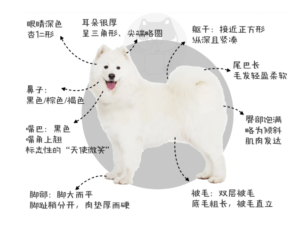
The Samoyed's famous 'smile' is real, and so is its friendliness, trainability, and adaptability. But this breed sheds heavily, needs daily exercise, has a sensitive stomach, and shows its share of health issues—tear stains, dermatitis, heatstroke, obesity, and hip dysplasia. Before you fall for the looks, weigh the work it takes to keep one happy and healthy.
Kitten Always Has Poop Stuck on Its Fur?
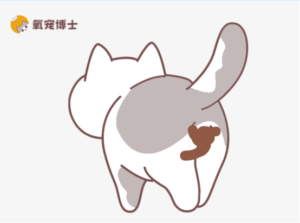
Poop clinging to a kitten's rear fur almost always traces back to soft stool or diarrhea. The loose stool can come from diet, food allergy, parasites, flora imbalance, or underlying disease, while body shape, long hair, flat faces, and very young or old age make self-cleaning hard. Soften and wipe gently, then fix the root by firming the stool—and see a vet if soft stool persists.
Cat Has Chronic Diarrhea? It’s More Than a Sensitive Stomach
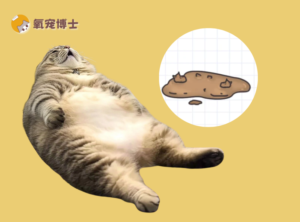
Long-term diarrhea in cats is rarely just a 'delicate stomach' you can fix by swapping food or adding probiotics. Diet and food allergy are common, but so are parasites (some needing specific drugs), inflammatory bowel disease, and metabolic diseases like pancreatitis, hyperthyroidism, or kidney disease. Stress is a third driver. Work through the causes step by step and let a vet run the right tests.

Common Items in a Dog Health Checkup
A routine dog checkup covers coat and skin, weight, temperature, eyes, ears, teeth, feces, X-rays, and blood work. Many diseases show no early signs and become serious or even untreatable by the time they appear, and older dogs face organ decline and age-related illness, so yearly exams are worthwhile. A typical visit measures rectal temperature (normal 38-38.9°C), checks eyes and ears for cleanliness, assesses coat and weight, examines the mouth for gum or tooth disease, and may add fecal, X-ray, or blood tests as needed.

Safe Dog CoQ10: What the Research and Labels Tell You
CoQ10 appears in veterinary cardiac plans for mitral valve disease, dilated cardiomyopathy, and senior heart decline, and the research behind it is real — not a fad. A 2021 study found dogs with mitral valve disease in heart failure had significantly less heart-muscle CoQ10 than healthy dogs, and a 2022 randomized trial showed supplementation improved oxidative-stress and contraction markers with no adverse effects. The catch is that the benefit only appears when the product is safe, dog-appropriate, and correctly dosed. This guide explains how to read the label and the form.

Dog CoQ10 and the Mislabeling Trap: How to Pick a Real One
CoQ10 powers heart contraction, clears free radicals, and slows cardiac aging, so it is a staple for senior dogs and breeds prone to valve disease and enlargement. But without enough actual CoQ10 in the dose, you pay and gain nothing. This guide explains why dose is the bottom line, how brands obscure content, why human CoQ10 is dangerous for dogs, and the three checks that separate a real product from a placebo.
Cat CoQ10 on a Budget: Traits of a Genuinely Good-Value Product
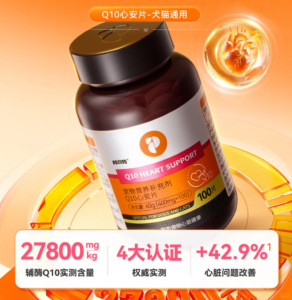
More than 30% of senior cats show heart enlargement or failure, so CoQ10 has become a near-essential for many households — yet buying one that actually works without overspending is harder than it looks. Owners report months of use with no improvement, or 'foreign' brands whose labels turn out false. This guide sets out the traits of a genuinely good-value cat CoQ10 so you can avoid both placebos and overpriced imports.

What Causes Sepsis in Dogs and How Is It Treated?
Dog sepsis happens when bacteria such as Staphylococcus, Streptococcus, or E. coli multiply in the blood and release toxins, causing body-wide infection. Large skin wounds, bacterial diarrhea, purulent peritonitis, or open fractures can all trigger it. Early signs include fever, lost appetite, vomiting, diarrhea, weakness, rapid breathing, dilated pupils, and abnormal heartbeat. The sooner treatment starts, the better the odds, so see a vet at once if these appear. Treatment uses culture-guided antibiotics, nutritional support, symptomatic care, and restoring acid-base balance.