Search Results
373 results for “weight standard”

Feline Hepatic Lipidosis: Causes and Treatment
Fatty liver, also called hepatic lipidosis, is an endocrine disorder from impaired liver cells. In cats it's often triggered by anorexia, obesity, or stress. This article details it.

Key Points for Selecting Breeding Rabbits
Breeding stock is the core of a rabbitry, so selection must be planned and scientific. For meat rabbits check growth, feed conversion (2.8–3.2:1), conception rate (≥85%), litter size (≥6–8) and weaning survival (≥80%). For wool rabbits judge yield, density, length and evenness; for rex rabbits judge color purity, fur that is short, flat, fine, dense and secure, and adult weight above 3.5 kg. Always verify the animal's health.

Classification of Domestic Rabbit Breeds
There are 60-plus rabbit breeds and 200-plus lines worldwide; China keeps about 20, mostly imported. Rabbits are grouped by use (meat, fur, wool/Angora, dual-purpose, lab, fancy), by coat (standard, long, short), and by size (large >5 kg, medium 3–4.5 kg, small 1.5–2.8 kg, mini 0.7–1.45 kg). Knowing the groups helps you pick the right stock.

What Do Golden Hamsters Eat? How to Care for Them
Golden hamsters are omnivores that hoard food, so offer staples (pellets, oats, millet) plus small amounts of safe fruit, veg, meat, and insects — never apple seeds, onions, chocolate, or human food. Keep them at 20–28°C with soft bedding and good ventilation.
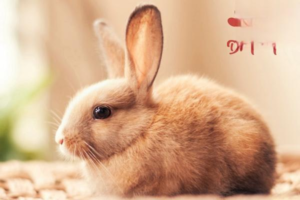
Causes and Treatment of Ulcerative Pododermatitis (Sore Hocks) in Rabbits
Ulcerative pododermatitis (sore hocks) is a pressure-induced skin ulcer on the soles and sides of a rabbit's feet, most often seen in adults kept on hard or wire cage floors. It causes pain, reluctance to move and, if infected, can lead to abscesses, cellulitis or even fatal septicemia. Good hutch design, soft bedding and prompt wound care are key to prevention and treatment.

Are Chinchillas Easy to Keep, and How Much Do They Cost?
Chinchillas are fairly easy: gentle, quiet, clean, and light eaters, living 15+ years. Prices run 300-500 yuan for standard grey up to 3000-5000 for rare colors. Downsides: timid, heat-intolerant (die above 30 C), limited bonding, and fragile digestion.

What Are the Common Police Dog Breeds in China?
Police dogs, like soldiers, always radiate a dignified and commanding presence. Many people quietly admire and care for them because of it. Today we introduce the more common police dog breeds found in China.
How can you tell if a cat is fat or thin?
Check the body outline: a normal cat has smooth lines without obesity. From the side, the belly should dip slightly, not protrude, with a slight waist. You should feel ribs without them being too prominent. Adult cats normally weigh about 3-5 kg, but consult a vet for the breed standard.
At what age does a Husky stop growing?
Huskies basically take shape at 8 to 10 months of age, with no major body changes after that, and stop developing after 12 months. Adult males weigh 20 to 27 kg with a shoulder height of 53 to 60 cm, while females weigh 16 to 23 kg at 51 to 56 cm. During growth, provide enough nutrition and exercise.
What happens to a Samoyed after 7 months?
At 7 months a Samoyed weighs about 25 to 29 kg and is 120 to 130 cm tall, then stops growing much. If underweight, add nutritious foods like egg yolk, goat milk, chicken and beef. Around 7 months it may start estrus, so leash it well outside.