Search Results
316 results for “water training”
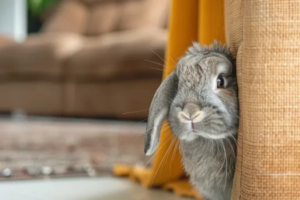
Essential Tips for Raising a Rabbit
Raising a rabbit is easy, but raising one well takes commitment. The essentials: always provide clean (never tap) water, make hay the staple with age-appropriate pellets and veggies as supplements, allow daily exercise and litter training, keep the habitat clean, rabbit-proof hazards, and skip frequent baths. A balanced diet and clean home are the foundation of rabbit health.

How to Raise a Myna That Isn’t Afraid of People
Mynas fear people from genetics, lack of socialization, or bad experiences. To raise a tame myna, give a safe environment, approach gradually with soft speech and gentle touch, socialize it with varied people and places, reward interaction with food or toys, and always be patient and respectful - never force contact.

Feline Urethral Obstruction: Causes, Symptoms, Treatment, and Prevention
Urethral obstruction mostly affects male cats aged 1-6. Causes include urinary stones, crystals, inflammation, and muscle spasms; signs are frequent urging, straining, reduced output, and blood-tinged urine. Left untreated it can lead to uremia, kidney failure, and bladder rupture — life-threatening. If obstruction is suspected, take the cat to a vet immediately for catheterization, then diagnose the underlying cause and treat it. Prevention focuses on hydration, diet, and stress reduction.

What to Know Before Owning a Border Collie
The Border Collie ranks #1 in dog intelligence and is beloved, but it has high exercise and training needs. This guide covers daily exercise, vaccines and deworming, feeding, early training, and controlling salt intake.
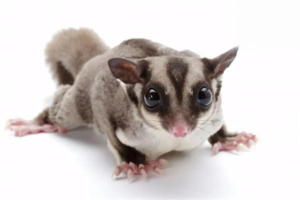
Why Do Sugar Gliders Bite, and What to Do About It?
Sugar gliders are usually gentle, but they may bite when frightened, physically uncomfortable, or confused by a changed scent. This guide explains the causes of biting and how to clean a bite wound, plus training tips—letting the glider learn your scent and gently blowing on its face—to stop the behavior.

Do Lop Rabbits Smell? How to Handle a Smelly Rabbit
Lop rabbits are clean, burrow-loving animals that groom themselves and have light-scattering droppings, so they rarely smell. This guide explains why a rabbit may smell—litter habits and scent glands—and how to fix it with training, diet, bathing, and hygiene.

How to Relieve Constipation in Dogs
Constipation in dogs shows up as straining without producing stool, often caused by a poor diet, low water intake, too many bones, little exercise, or old age. Dietary fixes such as honey, fiber and probiotics usually help, and prevention comes down to better diet, hydration and weight control.

What Are the Symptoms of Chinchilla Constipation?
Constipation is common in chinchillas and can lead to poor appetite, malnutrition, even intestinal blockage. Symptoms are easy to spot — small, hard, dark, misshapen, foul-smelling droppings, and in severe cases appetite loss and lethargy. Causes include poor diet, low water, and stress from over-handling; treatment focuses on hydration, fiber and gentle exercise.
Is it okay to keep a Samoyed in an apartment?
Samoyeds are smart and trainable, so apartments work with early training, 1 to 2 hours of daily exercise, and summer cooling for their heat sensitivity.
How can I train my dog to hold its stool?
Training to hold stool takes patience. Steps: note when it needs to go after eating, take it to the designated spot (indoor pad, outdoor grass), reward after it goes; once used to the spot, if you don't take it at the fixed time it will try to hold. Control water, avoid drinking lots before bed. Stay patient and consistent; don't scold accidents, just clean up.